The Role of Electrophysiology in Healing
Tissue repair is, in part, an electrical process. Understanding the role of bioelectric gradients helps explain why bioelectric therapies support healing.
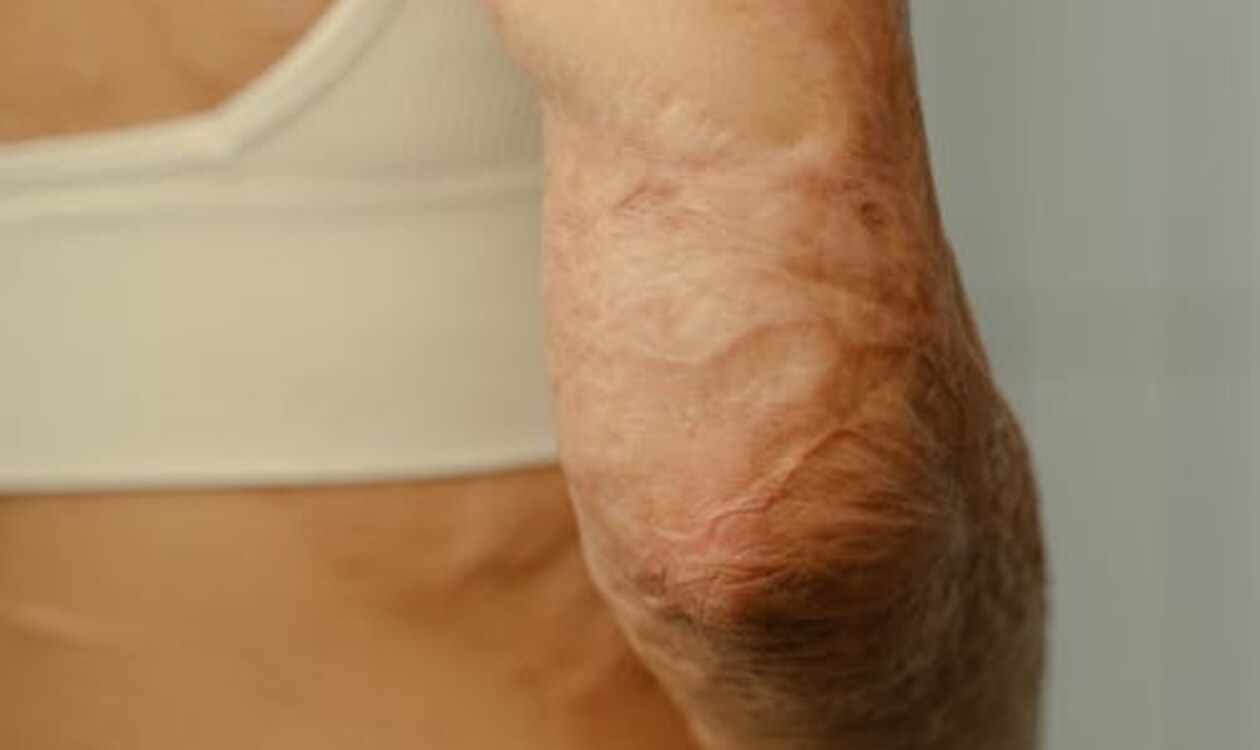
Tissue repair is, in part, an electrical process. When tissue is injured, a measurable electrical current appears at the site, sometimes called an injury current. That current is one of the signals that recruits cells, organizes the repair scaffold, and guides the migration of cells responsible for closing the wound and laying down new tissue. Recognizing this is one of the reasons electrophysiology is part of the healing conversation.
The injury current
An injury current arises because intact tissue has a defined electrical structure that is disrupted by the injury. The disruption creates a voltage gradient that nearby cells can sense. The cells respond by migrating, dividing, and laying down the molecular scaffold required for repair. Disrupt the injury current artificially in animal models and the repair process slows. Restore it and the process resumes.
Why this matters for therapy
It matters because bioelectric inputs, applied carefully from outside the body, can support the underlying electrical environment that healing depends on. The cleared clinical applications are still relatively narrow, edema reduction and pain associated with musculoskeletal injury are the most established. The mechanism literature suggests that the broader role of electrophysiology in healing is real, even if the clinical applications are still being characterized.
Where the field is heading
The field is heading toward more nuanced characterization of how specific bioelectric exposures influence specific stages of repair. Inflammatory phase. Proliferative phase. Remodeling phase. Each has a different signaling environment, and each may respond differently to bioelectric input. The clinical translation of that work is steady rather than dramatic, but the trajectory is clear.
How wounds use voltage
The most studied example of electrophysiology in healing is the wound. A wound produces a measurable electrical field at its edges, often described as the wound current of injury. That field is part of how the body recruits the cells that begin repair. Disrupting the field, in laboratory settings, slows healing. Restoring or augmenting the field, in some experimental models, accelerates it. The clinical translation of that work has been steady, with electrical stimulation now an accepted adjunct in certain chronic wound protocols.
How bone responds to electrical input
Bone is another tissue where the electrophysiology of healing is well characterized. Mechanical loading produces small electrical signals in bone, and those signals are part of how the tissue knows when to remodel. Several FDA cleared bone growth stimulators take advantage of this by delivering an external electrical or electromagnetic signal that mimics the loading response. The use is well defined and the evidence base is substantial. It is one of the cleanest examples of a bioelectric mechanism translated into routine clinical practice.
How nerves use voltage to recover
Peripheral nerve recovery after injury is also bioelectric in character. Regenerating axons follow electrical and chemical gradients as they grow back toward their target tissue. The combination of bioelectric and chemical signaling guides the regrowth, and disruption of either can slow the process. While clinical bioelectric interventions for nerve regeneration are still developing, the underlying biology is one of the cleanest cases for the broader thesis that healing is a bioelectric process as well as a chemical one.
How inflammation interacts with the bioelectric layer
The inflammatory cascade is, at the cellular level, a sequence of bioelectric events. Calcium fluxes, membrane depolarizations, and ion channel state changes all participate. That is why bioelectric inputs that modulate ion channel timing can influence the inflammatory tone in tissue. Pulsed shortwave therapy is one of the most studied examples of an external bioelectric input with a documented influence on inflammatory mediator release, which is part of why the modality is FDA cleared for musculoskeletal pain and edema.
Why the clinical translation is gradual
The translation from electrophysiology research to clinical practice is gradual for the same reasons all clinical translation is gradual. Mechanism studies have to be confirmed across labs. Animal models have to be carried into human studies. Human studies have to be replicated and integrated into specialty society guidance. Each step takes time, and the bioelectric category is no exception. The trajectory, however, is clear. The role of electrical signaling in healing is now part of the standard physiology curriculum, the FDA cleared device list includes several bioelectric modalities for healing related indications, and the platforms that capture longitudinal data on these therapies are positioned to contribute to the next several years of evidence.
Why this matters for patients
For patients, the practical takeaway is that the bioelectric layer is part of how their body heals, and that supporting that layer through credible, FDA cleared therapies can be a useful addition to a recovery plan. The category is mature enough that patients can ask the same evaluation questions they would ask of any clinical option, and credible providers and platforms will answer them with the rigor the questions deserve. The Electrome platform behind PAINKILLER was built to support that conversation, and the field as a whole is moving in the direction of giving patients more, not fewer, credible non systemic tools to work with as they recover.
Citations
- 1.Zhao M. Bioelectric signaling in wound healing. Seminars in Cell and Developmental Biology (2009) Source
Tissue repair is, in part, an electrical process. Understanding the role of bioelectric gradients helps explain why bioelectric therapies support healing.
More storiesKeep reading
The Biology of Electrical Signaling
An accessible deep dive into how cells use voltage, ion channels, and electrical gradients to make decisions about identity, function, and repair.
Recovery Technologies in Modern Healthcare
A field guide to the recovery technology category, what each major modality does, and how to evaluate the credibility of the claims.

What Is Bioelectric Medicine?
A plain language introduction to the field that treats biology as an electrical system as well as a chemical one.