Recovery Technologies in Modern Healthcare
A field guide to the recovery technology category, what each major modality does, and how to evaluate the credibility of the claims.
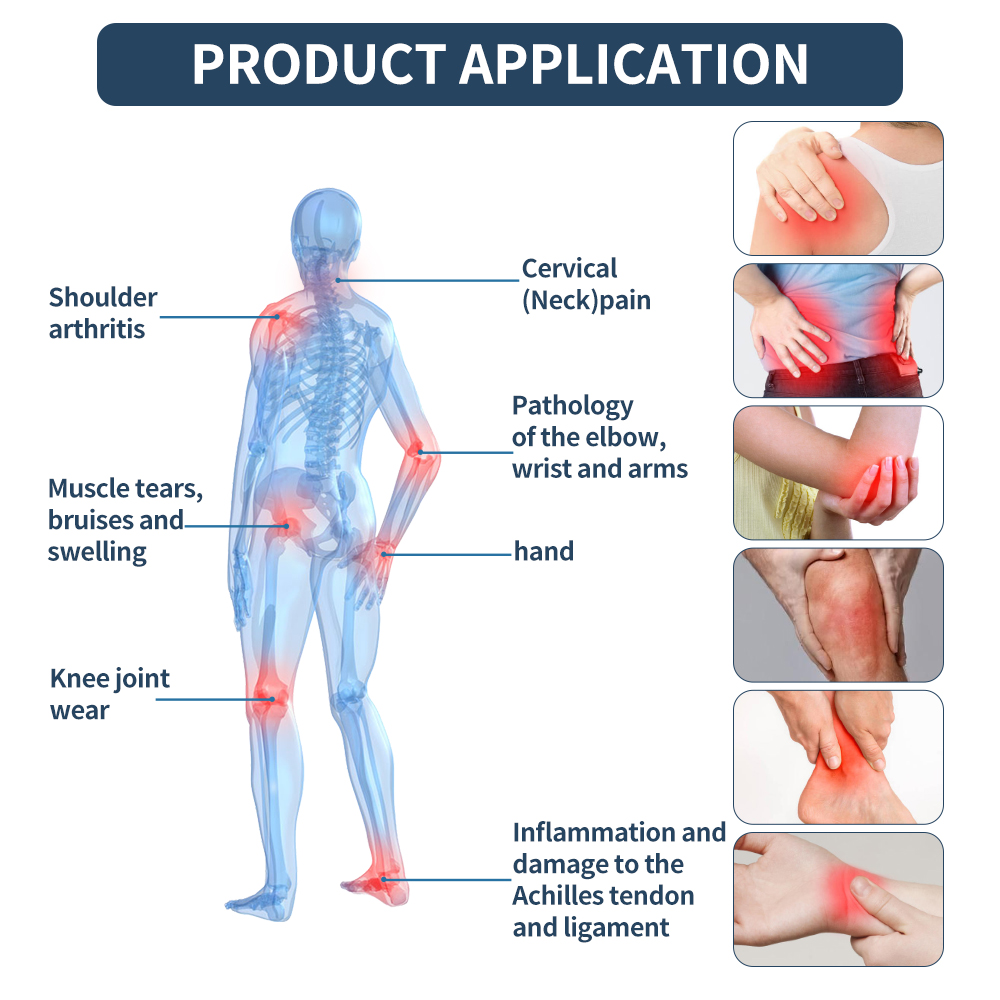
Recovery technology is the broad category of consumer and clinical tools designed to support the body between bouts of activity, work, or training. The category has grown rapidly over the past decade and now includes percussive devices, compression systems, infrared and red light tools, structured cold and heat exposure, and bioelectric options. Some of these have meaningful evidence behind them, some have early evidence, and some have been marketed past their evidence. Knowing the difference is the practical literacy this guide is meant to support.
What recovery technology actually does
The credible recovery technologies share a small set of mechanisms. They support tissue blood flow. They influence the inflammatory environment. They help muscle and connective tissue resolve the post activity state. They support sleep and the broader recovery environment that the body's repair processes depend on. They do not substitute for the underlying recovery work, which is rest, sleep, nutrition, and managed activity load.
How the major modalities sit
Percussive and massage based tools have a meaningful evidence base for short term muscle recovery and perceived soreness. Compression systems have established evidence for venous return and recovery in athletic populations. Infrared and red light have a growing but still maturing evidence base. Bioelectric options, including FDA cleared pulsed shortwave therapy, sit on a peer reviewed mechanism literature and a clinical evidence base that is well characterized for musculoskeletal pain and adjacent recovery uses.
How to evaluate
The evaluation tests are familiar. Regulatory recognition where applicable. Peer reviewed evidence for the specific claim. Discipline in marketing language. A platform or brand that supports the product after the purchase. The recovery category has matured enough that the credible products are easy to identify when those tests are applied.
How recovery science has matured
Recovery science was, for a long time, a folk discipline. People recovered from training and from injury based on tradition, anecdote, and the trial and error of coaches and clinicians. Modern recovery science is a real discipline with mechanism studies, randomized trials, and specialty society guidance. The credible recovery technologies sit on that mature scientific foundation. The questionable ones do not. The patient or athlete shopping for a recovery tool can use the maturity of the underlying science as the first filter on the category.
The major recovery technology categories
The major recovery technology categories include compression devices, percussive massage, contrast and cold therapy, structured movement and mobility tools, sleep optimization devices, and bioelectric devices. Each of these categories has a defined mechanism and a defined evidence base for specific uses. Compression and percussion address the mechanical layer. Contrast therapy addresses the vascular and inflammatory layer. Sleep tools address the central nervous system layer. Bioelectric devices address the cellular signaling layer with a non systemic input.
Where bioelectric fits in recovery
Bioelectric recovery tools fit credibly when the device has FDA clearance for a relevant use, when the mechanism literature is real, and when the platform around the device captures actual usage. Pulsed shortwave therapy, the modality behind PAINKILLER, is FDA cleared for musculoskeletal pain and edema, both of which overlap meaningfully with the recovery use case after intense activity or training. The wearable form factor lets the patient or athlete use the therapy during ordinary post activity time without dedicating a clinic visit to it.
How to evaluate a recovery technology
The evaluation criteria for a recovery technology mirror the criteria for any clinical technology. FDA clearance where applicable. Peer reviewed mechanism literature. Clinical or performance evidence in the use being recommended. Honest marketing that does not claim more than the evidence supports. A platform or company that captures and reports outcomes data over time. A recovery technology that meets each of those tests is one that belongs in serious consideration. A technology that misses one or more is a technology that the buyer should approach with more skepticism.
Why recovery and chronic pain overlap
The biology of recovery and the biology of chronic pain overlap meaningfully. Both involve inflammation. Both involve the nervous system's interpretation of tissue state. Both benefit from interventions that address multiple layers at once. That overlap is part of why bioelectric tools developed for chronic pain often have a credible role in the recovery use case as well, and why the same platform that supports a chronic pain patient can support an athlete recovering from training. The Electrome platform behind PAINKILLER is one example of that pattern, and the recovery category is one of the most active places where the broader bioelectric category continues to grow.
Why credibility is the differentiator
The recovery category has a credibility problem the bioelectric subset has to navigate carefully. Many recovery products on the market today make claims that outrun the evidence supporting them, which trains consumers to discount the category as a whole. The disciplined response is to be careful about what is claimed, transparent about what is cleared and what is not, and explicit about the difference between general wellness positioning and clinical claims. Platforms that hold that line consistently are the ones that earn credibility with clinicians, with payers, and with the patients who do their homework, and that credibility is the durable differentiator in a crowded category.
A field guide to the recovery technology category, what each major modality does, and how to evaluate the credibility of the claims.
More storiesKeep reading
The Retail Opportunity in Recovery and Pain Management
Recovery hardware is one of the most active growth lines in retail. Bioelectric pain therapy is the credibility anchor the category has been waiting for.

What Is Pulsed Electromagnetic Field Therapy?
A practical guide to PEMF and its more clinically focused sibling, pulsed shortwave therapy, written for patients and clinicians.

Non-Invasive Pain Therapy Explained
What non invasive means, what the major non invasive options are, and how to evaluate them.