The Biology of Electrical Signaling
An accessible deep dive into how cells use voltage, ion channels, and electrical gradients to make decisions about identity, function, and repair.
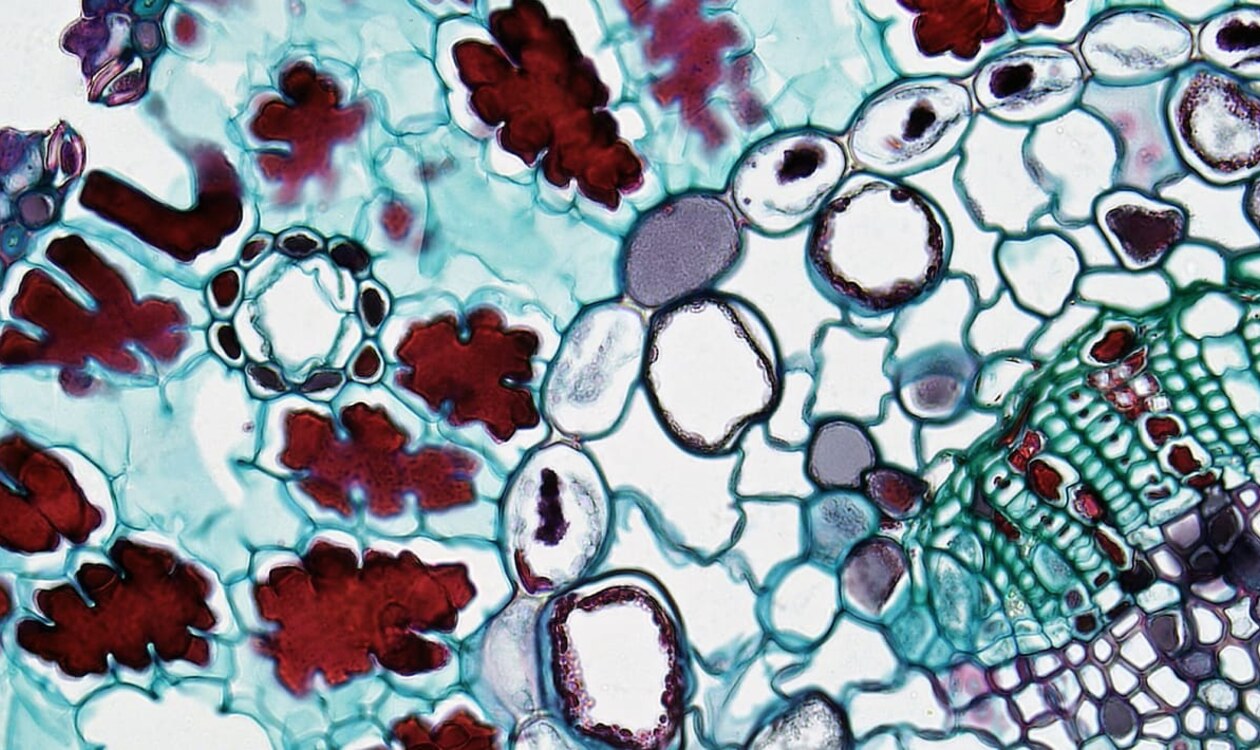
Cells make decisions. They decide when to divide, when to differentiate, when to migrate, and when to apoptose. Those decisions are influenced by chemical inputs, mechanical inputs, and, in ways that are increasingly well characterized, electrical inputs. The biology of electrical signaling is the study of how voltage, ion channels, and bioelectric gradients participate in cellular decision making.
Voltage as a cellular variable
Every cell maintains a voltage across its membrane. That voltage is set by the relative permeability of the membrane to different ions and by the active transport that maintains the ion gradients. The voltage is not a passive feature. It is a variable that the cell uses, and that other cells respond to.
Ion channels as decision points
Ion channels are the gates that control which ions cross the membrane. Open the right channel at the right time, and the cell's voltage shifts. The shift can trigger a cascade. Calcium signaling. Gene expression. Migration. The channels are decision points, and the timing of their opening is part of how the cell expresses its state.
Bioelectric gradients across tissues
Beyond single cells, tissues maintain electrical gradients that are part of how the tissue holds its identity. A tissue that loses the gradient often loses the identity. Restoring the gradient, in animal models, has been shown to influence regeneration and repair. The clinical translation of these observations is still in progress, but the underlying biology is well established.
What this means for therapy
For therapy, the biology of electrical signaling matters because it gives bioelectric interventions a mechanistic story. Pulsed shortwave therapy does not work by mystery. It works by influencing ion channel timing and the downstream signaling that follows. The therapy fits into a broader story about how cells use electricity, and the story is what makes the category credible.
The history of bioelectric thinking
The recognition that biology is electrical predates modern medicine. Galvani's work in the late eighteenth century established that nerves and muscles respond to electrical stimulation. The mechanism remained mysterious for more than a century. The mid twentieth century work on the squid giant axon by Hodgkin and Huxley produced the first quantitative model of how voltage and ion channels combine to produce a nerve impulse. The decades that followed mapped the family of ion channels in detail. The modern picture is that every cell in the body uses a combination of voltage and ion channel timing to manage its function, and that this electrical layer is as fundamental as the chemical one.
How ion channels work
Ion channels are protein gates in the cell membrane. Each channel is selective for one or a small number of ion types, sodium, potassium, calcium, chloride. Each channel has a defined set of states. Open. Closed. Sometimes inactivated. The state of the channel can be controlled by voltage, by the binding of a chemical, by mechanical force, or by combinations of these inputs. The aggregate behavior of the channels in a cell membrane determines how the cell responds to its environment, and modulating that behavior is one of the most fundamental ways to influence cellular function.
How bioelectric therapy fits
Bioelectric therapy works by influencing ion channel timing from outside the body. A pulsed electromagnetic field, delivered at the right parameters, can shift the probability that a given channel opens or closes. That probability shift cascades into changes in calcium signaling, nitric oxide production, inflammatory mediator release, and the broader signaling environment of the cell. Because the input is non chemical and non systemic, the side effect profile is favorable, and the therapy can be combined with most other interventions without significant interaction risk.
Where the field is heading
The field is heading toward more nuanced characterization of which bioelectric inputs influence which cellular pathways in which tissues. The mechanism work continues at the bench. The clinical translation continues at the bedside. The platforms that capture longitudinal data on real patients are increasingly part of the evidence ecosystem alongside the laboratory and the trial. Bioelectric science is, in this sense, becoming a normal medical discipline. Not exotic. Not alternative. Not new. A mature field whose tools have caught up with its biology, and whose applications are increasingly part of routine care.
Why this story makes the category credible
The credibility of the bioelectric category rests on this story. The biology is real. The mechanism is characterized. The regulatory pathway is established. The clinical evidence is meaningful. The platforms that operate inside the category, including the Electrome platform behind PAINKILLER, do so within the boundaries that the science and the regulation define. Patients and clinicians who want to evaluate the category can do so against the same evidence standards they would apply to any other branch of medicine, and that is exactly the position the field has earned.
Citations
- 1.Levin M, et al.. Bioelectric signaling, the unexplored frontier. Annual Review of Biomedical Engineering (2017) Source
An accessible deep dive into how cells use voltage, ion channels, and electrical gradients to make decisions about identity, function, and repair.
More storiesKeep reading
The Role of Electrophysiology in Healing
Tissue repair is, in part, an electrical process. Understanding the role of bioelectric gradients helps explain why bioelectric therapies support healing.
The Electrical Language of Biology
Every cell in the body runs on voltage. Modern medicine is finally learning to read what those signals say.

What Is Bioelectric Medicine?
A plain language introduction to the field that treats biology as an electrical system as well as a chemical one.