What Is Bioelectric Medicine?
A plain language introduction to the field that treats biology as an electrical system as well as a chemical one.

Bioelectric medicine is the branch of medicine that recognizes biology as an electrical system, not only a chemical one. Cells maintain electrical potentials across their membranes. They communicate using ion currents. They respond, in measurable ways, to electrical and electromagnetic inputs. Bioelectric medicine is the practice of using those facts to design therapies.
How it works in everyday language
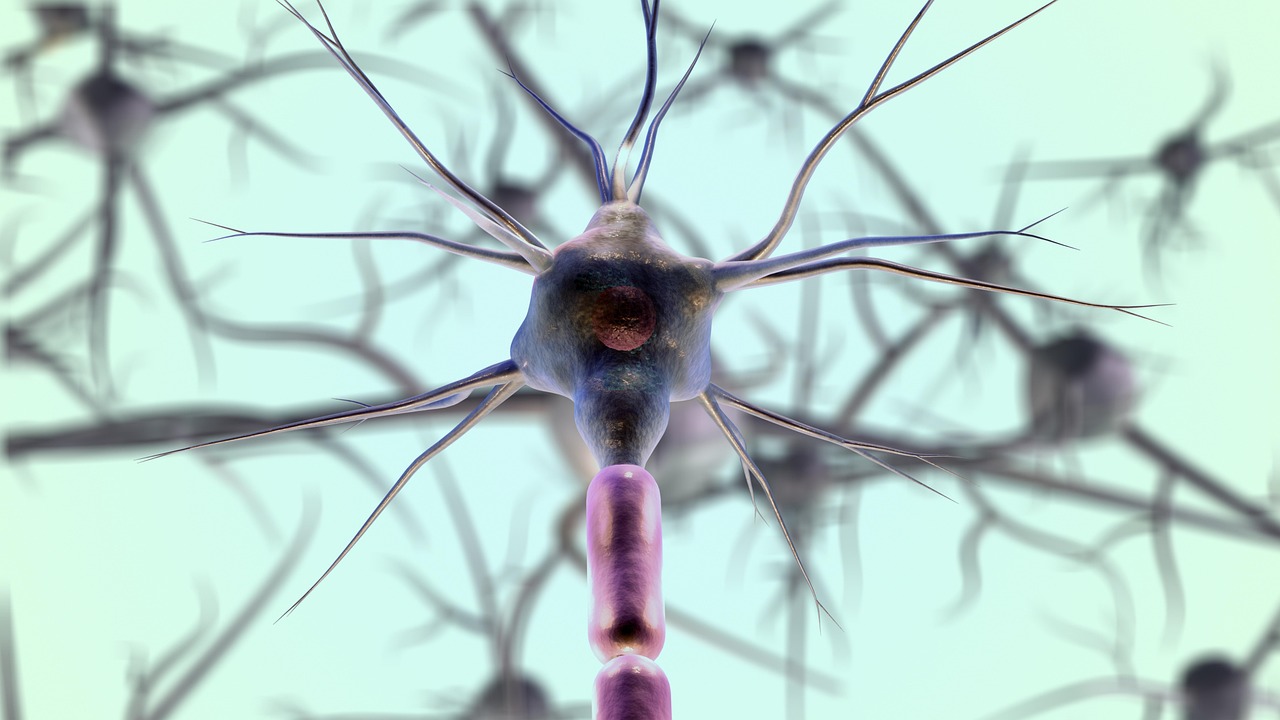
Every cell in your body holds a small voltage. Nerves use that voltage to send signals. Muscles use it to contract. Even cells that you would not normally think of as electrical, like the ones that line a healing wound, use voltage to coordinate what they do. Bioelectric therapy works by influencing those voltages and the ion channels that control them, gently and from outside the body, in a way that supports the natural processes already happening inside.
Where it shows up today
The most common bioelectric therapies in clinical use today address pain. Pulsed shortwave therapy, transcutaneous electrical nerve stimulation, and other electromagnetic options have been cleared by the FDA for various pain indications. Beyond pain, bioelectric approaches are being investigated in inflammation, wound healing, sleep, and a number of adjacent areas where electrical signaling is part of the underlying biology.
What it is not
Bioelectric medicine is not a replacement for chemistry. Pharmacology is going nowhere, and serious bioelectric programs sit alongside pharmacologic care rather than competing with it. It is not energy medicine in the alternative therapy sense. The mechanisms are well characterized in peer reviewed literature. It is not a single product, it is a category, and like any category some products are credible and some are not.
How to evaluate a bioelectric product
The simple test is FDA clearance and a real evidence base. A bioelectric product that has been FDA cleared for a specific indication has been reviewed against published criteria. A product that comes with peer reviewed mechanism literature is one whose claims can be checked. A platform that supports the product with adherence and outcomes capture is one whose use can be measured. Those three checks rule out a lot of noise.
Why it matters now
Bioelectric medicine matters now because the tools to do it well have caught up with the science. Wearable devices can deliver clinically meaningful doses across hours of the day. Software can capture how the device is being used. Clinicians can see the patient's stream and adjust. The category is not new. The infrastructure to use it well is what is new, and that is what makes this a moment worth paying attention to.
How bioelectric medicine differs from pharmacology
Pharmacology works by introducing a molecule into the body that interacts with a receptor or enzyme to change a biological state. Bioelectric medicine works by introducing an electrical or electromagnetic signal that influences how cells exchange charge through their ion channels. Both approaches modulate signaling. They do so through different physical mechanisms, on different time scales, and with different side effect profiles. A bioelectric input can be turned on and off in real time. A pharmacologic input has a half life that the body has to clear. Neither approach is universally better. The two are complementary, and many modern care plans include both.
What FDA cleared means in this category
An FDA cleared device, including the FDA cleared pulsed shortwave therapy device that powers PAINKILLER, has gone through the agency's 510(k) pathway. That pathway requires the company to demonstrate that the device is substantially equivalent to a previously cleared device for a defined indication, with appropriate evidence supporting the claimed use. Clearance is not the same as approval, which is the term reserved for new molecular entities and certain higher risk devices. Clearance is, however, a meaningful regulatory threshold. It tells the patient and the clinician that the device's intended use has been reviewed by the FDA and that the manufacturer's claims are bounded by what the agency cleared.
Common questions patients ask
Patients ask whether the therapy is safe, whether it interacts with their medications, whether it can be used with implants, and whether it is covered by insurance. The safety profile of pulsed shortwave therapy in its cleared indications is well characterized in the literature, and the most common precaution is the standard one for electromagnetic devices in the presence of certain implants such as pacemakers. Drug interactions are minimal because the therapy is non systemic. Insurance coverage varies and is evolving as payers respond to federal pressure for non opioid pain options. The patient's clinician is the right person to answer the personalized version of each of these questions.
Where to learn more
The bioelectric category has produced a substantial body of peer reviewed work. Patients who want to read further can start with the cited reviews on the mechanism of pulsed shortwave therapy and the clinical evidence in musculoskeletal pain. Clinicians who want a deeper view can look at the relevant specialty society guidance on non pharmacologic pain management and at the systematic reviews of pulsed electromagnetic field therapy in osteoarthritis, both of which are referenced inside the broader Electrome content library. The category rewards careful reading, and the credible sources are easy to identify once a patient knows what to look for.
Citations
- 1.Levin M. Bioelectric signaling, an overview. Cell (2021) Source
A plain language introduction to the field that treats biology as an electrical system as well as a chemical one.
More storiesKeep reading

The Biology of Electrical Signaling
An accessible deep dive into how cells use voltage, ion channels, and electrical gradients to make decisions about identity, function, and repair.
The Electrical Language of Biology
Every cell in the body runs on voltage. Modern medicine is finally learning to read what those signals say.

What Is Pulsed Electromagnetic Field Therapy?
A practical guide to PEMF and its more clinically focused sibling, pulsed shortwave therapy, written for patients and clinicians.