The Retail Opportunity in Recovery and Pain Management
Recovery hardware is one of the most active growth lines in retail. Bioelectric pain therapy is the credibility anchor the category has been waiting for.
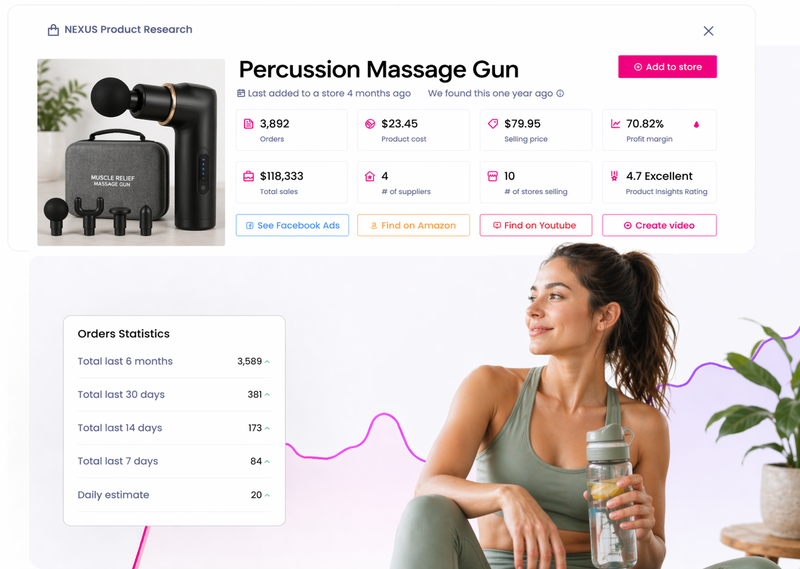
Recovery hardware has been one of the more active growth lines in retail over the past several years. Massage guns, compression systems, percussive devices, infrared wraps. The category has matured to the point where retailers have dedicated bays in the wellness aisle. What the category has needed, and not always had, is a credibility anchor. A product whose claims sit on a real regulatory clearance and whose mechanism is grounded in peer reviewed science. The bioelectric category, used precisely, is that anchor.
Why credibility matters
Recovery hardware as a category has had to fight a credibility headwind in places, in part because some products in the broader market have stretched their claims well past what the underlying evidence supports. Retailers serving sophisticated customers have had to manage that perception carefully. A bioelectric option with FDA clearance, a peer reviewed mechanism literature, and a platform that polices its own language is a different conversation. It is the kind of product that pulls the category up rather than weighing it down.
What this looks like on the shelf
On the shelf, the bioelectric option sits alongside the rest of the recovery line. The package has clear language about what the device is cleared for. The shopper can scan a code and reach the platform's onboarding flow without having to download a separate app first. The staff has a one page reference that explains the category in language the staff is comfortable repeating. The transaction is not the end of the relationship because the platform takes over post purchase.
What this looks like in the data
In the data, the bioelectric option behaves like a relationship product, not a one off transaction. Repeat engagement, including accessory purchases and consumable replacements where applicable, is meaningfully higher than the recovery line average. The customer who started with a bioelectric purchase tends to come back. That is the metric that justifies dedicated shelf space and staff attention, and it is the metric that the early retailer cohort is reporting.
The longer view
The longer view is that recovery and pain management are converging in retail. Customers do not draw a clean line between the recovery aisle and the pain aisle, and the bioelectric category is one of the categories that lives credibly across both. Retailers that stock and merchandise across the boundary, with a platform supporting the experience, are positioned to define what the next phase of this category looks like.
Recovery hardware is one of the most active growth lines in retail. Bioelectric pain therapy is the credibility anchor the category has been waiting for.
More storiesKeep reading

Helping Consumers Access Alternatives to Opioids
Access is the part of the non opioid story that often gets less attention than it deserves. Retailers and platforms together are the part of the system that can change it.
Why Retailers Are Expanding Non-Opioid Pain Solutions
Retail pharmacy and mass retail are on the front line of the consumer search for non opioid pain options. The bioelectric category is one of the categories meeting that demand.
Recovery Technologies in Modern Healthcare
A field guide to the recovery technology category, what each major modality does, and how to evaluate the credibility of the claims.