Helping Consumers Access Alternatives to Opioids
Access is the part of the non opioid story that often gets less attention than it deserves. Retailers and platforms together are the part of the system that can change it.
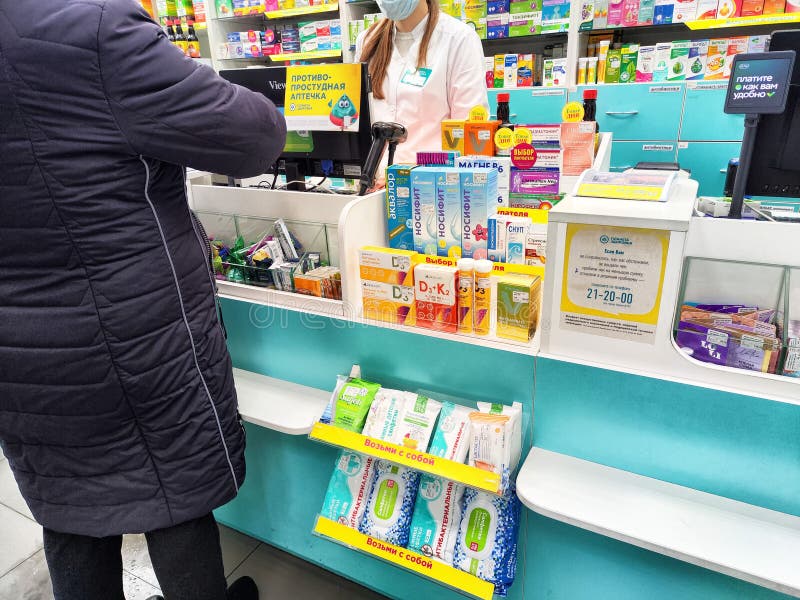
Access is the practical part of the non opioid pain conversation. A category can be approved, cleared, evidence backed, and culturally accepted, and still be hard for an actual person to find when they need it. The patient looking for an alternative does not have time to read clinical literature. They have a question and they want a credible answer at the moment they have the question. Retail is where that moment happens for a large share of the population.
What access actually requires
Access requires three things in the same place at the same time. The product has to be on the shelf or available for same day fulfillment. The staff or the in store materials have to be able to answer a real question. The supporting platform has to take the relationship from the transaction into the patient's actual use of the product. Any one of those three missing breaks the access promise. All three present is what the bioelectric category needs in order to deliver on its potential at retail.
What the platform brings to access
The platform brings the parts that the retailer cannot reasonably build themselves. A consumer onboarding flow that respects the language the FDA actually cleared the product for. A patient stream that captures adherence and outcomes without imposing burden. A way for the patient to be transferred into a clinical relationship if the use case warrants it. Educational content that the retailer can place with confidence. The platform's job is to make the retailer's access promise a real one.
What the retailer brings to access
The retailer brings the part that no platform can build alone. Physical reach into the communities where patients live. The trust that comes from having served those communities for years. The shelf placement that catches the patient at the right moment. The staff conversation that turns curiosity into a credible decision. None of those are platform features. They are retailer features, and they are the part of the system that makes the bioelectric category accessible at scale.
The point is the patient
The point of all of this is the patient who is looking for a non opioid option and is not getting a clear answer from any other part of the system. Retail and platform together are the combination that can give that patient a clear, credible, evidence backed answer at the moment they ask for it. That is what access means in practice.
Access is the part of the non opioid story that often gets less attention than it deserves. Retailers and platforms together are the part of the system that can change it.
More storiesKeep reading
The Retail Opportunity in Recovery and Pain Management
Recovery hardware is one of the most active growth lines in retail. Bioelectric pain therapy is the credibility anchor the category has been waiting for.

Why Retailers Are Expanding Non-Opioid Pain Solutions
Retail pharmacy and mass retail are on the front line of the consumer search for non opioid pain options. The bioelectric category is one of the categories meeting that demand.

We All Play a Part in Ending the Opioid Crisis
The opioid crisis was a system level failure. Solving it requires every layer of the system to do its part. Bioelectric therapy is one of those parts.