Why Retailers Are Expanding Non-Opioid Pain Solutions
Retail pharmacy and mass retail are on the front line of the consumer search for non opioid pain options. The bioelectric category is one of the categories meeting that demand.
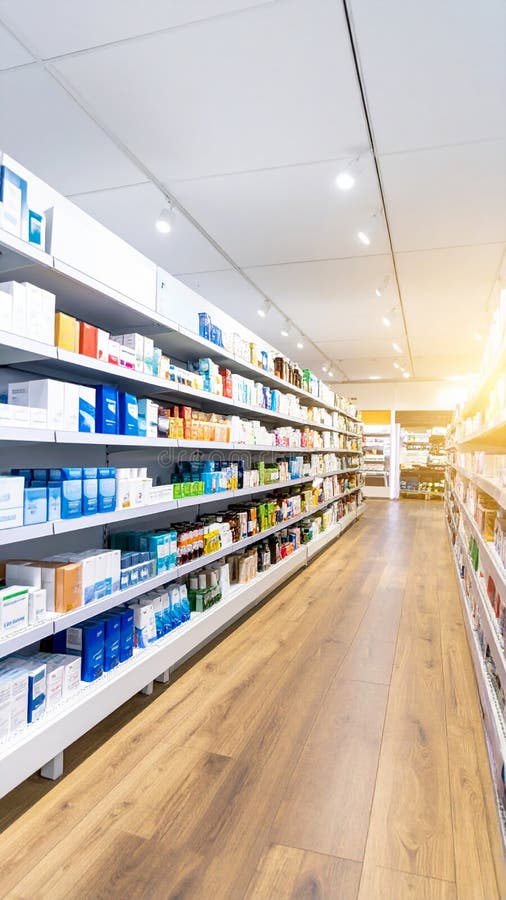
The consumer side of the non opioid story shows up in retail before it shows up almost anywhere else. A patient who has been told by their clinician to find non pharmacologic options walks into a pharmacy or a mass retailer with that intent. A caregiver picking up a prescription notices what is on the shelf next to the cough syrup. A wellness shopper looking for recovery tools finds the pain aisle has changed. The bioelectric category is showing up in those moments, and the retailers who are leaning into the shift are the ones positioned to capture the demand.
Why the demand is real
The demand is real because the cultural conversation has changed. Patients no longer accept the assumption that the only path through chronic pain is a pharmacy bag. They are looking for tools that fit into their day, that do not depend on a prescription cascade, and that come from a credible source. The bioelectric category satisfies all three of those criteria when the product is FDA cleared and the supporting platform is real.
What retailers gain by stocking the category
Retailers stocking a credible bioelectric option gain three things at once. They gain a non opioid response to the patient asking what their other options are. They gain a higher value transaction than the typical pain aisle item, with a narrative that the staff can credibly explain. They gain a relationship with a platform that supports the customer after the purchase, which improves both clinical outcomes and customer lifetime value. None of those are speculative. They are the patterns retailers in the early adopter cohort are reporting.
What retailers should expect of the platform
The retailer should expect the platform to do the work that retailers do not want to be doing. Regulatory language that is correct out of the box. Sell sheets that the brand stands behind. Clinical content that makes the product easy to explain. A data backbone that captures the relationship past the transaction so that the retailer's customer is supported in their use of the device. The Electrome platform is designed around exactly this expectation.
What retailers should not expect
The retailer should not expect any responsible bioelectric platform to overstate what the product does. The product is FDA cleared for what the FDA cleared it for, which is musculoskeletal pain and edema. It is not a cure. It is not a substitute for clinician care when clinician care is warranted. Retailers who try to push the language past what the clearance supports create category risk for everyone, themselves included. The discipline of the language is part of what makes the category sustainable.
The longer view for retail
The longer view for retail is that the pain aisle is in the middle of a category shift that looks structurally similar to what happened in supplements and recovery hardware over the past decade. Categories that started small grew into meaningful revenue lines, and the retailers that built relationships with serious platforms early were the ones that captured the upside. The bioelectric category is at the equivalent moment now.
Retail pharmacy and mass retail are on the front line of the consumer search for non opioid pain options. The bioelectric category is one of the categories meeting that demand.
More storiesKeep reading
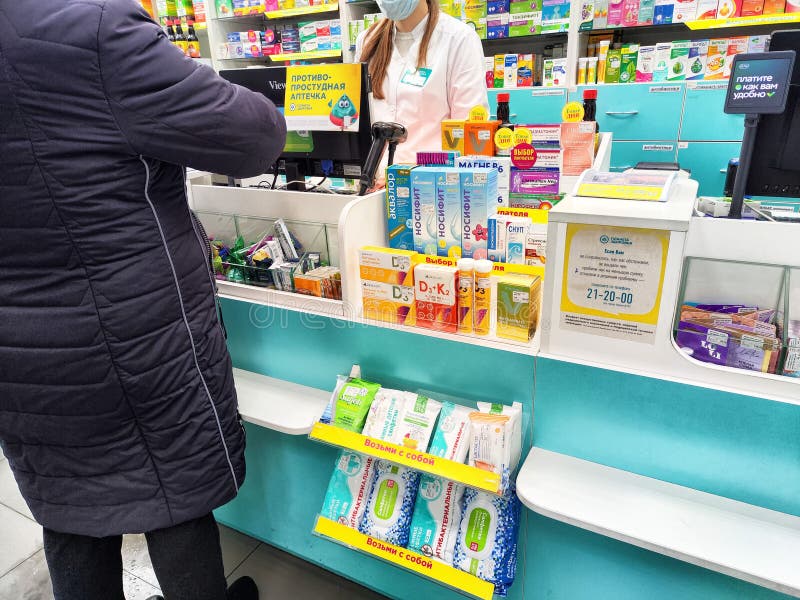
Helping Consumers Access Alternatives to Opioids
Access is the part of the non opioid story that often gets less attention than it deserves. Retailers and platforms together are the part of the system that can change it.
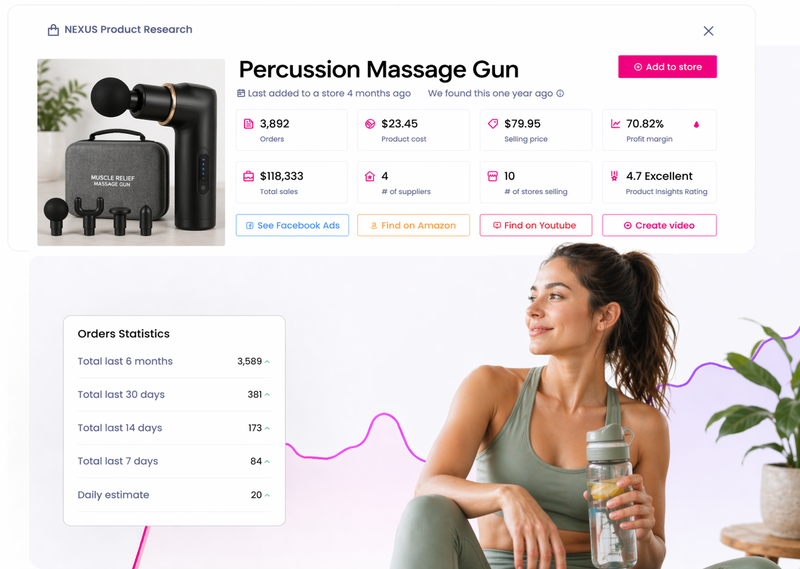
The Retail Opportunity in Recovery and Pain Management
Recovery hardware is one of the most active growth lines in retail. Bioelectric pain therapy is the credibility anchor the category has been waiting for.

Alternatives to Opioids for Chronic Pain
A practical guide to the credible non opioid options for chronic pain, including what each is best suited for.