The Electrical Language of Biology
Every cell in the body runs on voltage. Modern medicine is finally learning to read what those signals say.
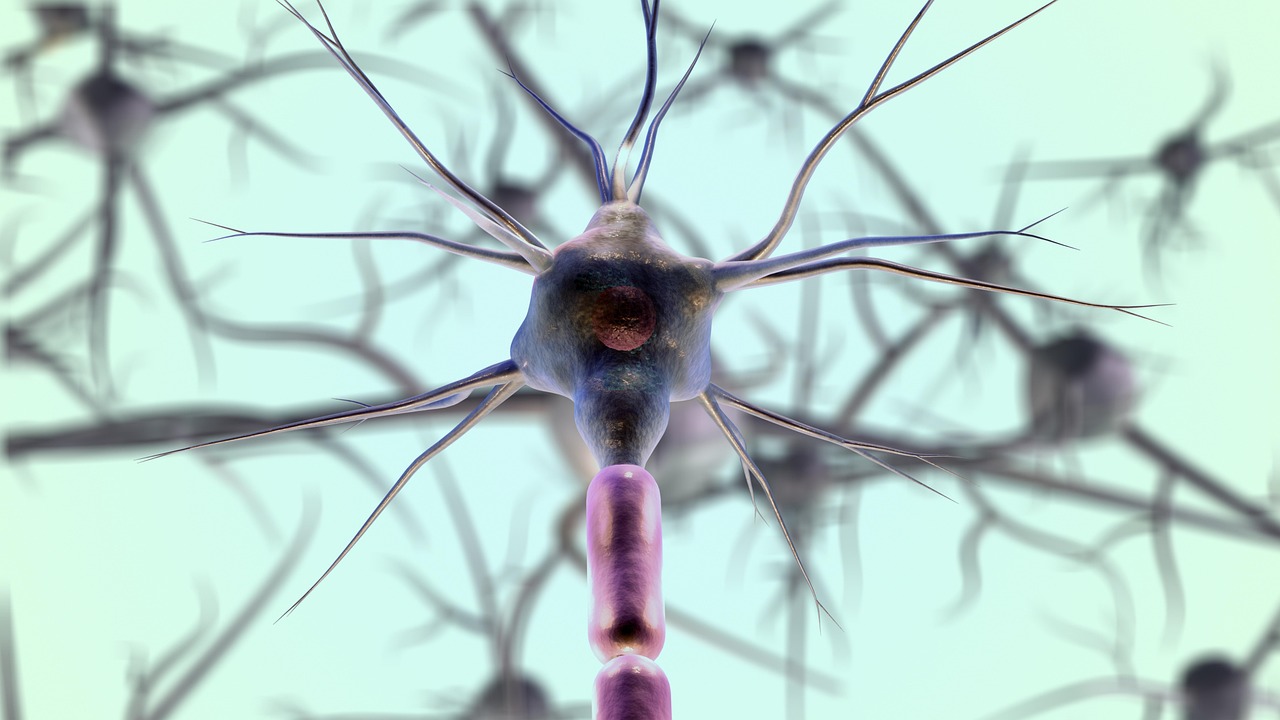
For most of the modern era, medicine has spoken in the language of chemistry. We describe disease in terms of molecules that bind to receptors, enzymes that misfold, and cytokines that flood a tissue. That vocabulary built the pharmaceutical industry, and it deserves the credit it has earned. It is also incomplete. Biology runs on more than chemistry. It runs on voltage.
A current that never stops
Every living cell maintains an electrical potential across its membrane. The inside of a resting neuron sits at roughly negative seventy millivolts relative to the outside. A heart cell holds a similar gradient until the moment it fires. Skin cells, immune cells, even the cells lining a wound carry their own bioelectric signatures, and those signatures change with state. A wound that is healing is electrically distinct from a wound that is not. An inflamed joint sounds, electrically, different from a quiet one. The body is, at every layer, an instrument that hums.
This is not a metaphor. It is measurable. Researchers have mapped voltage gradients during embryonic development and watched them direct where a limb will form. They have shown that altering the electrical signature of a tadpole tail can determine whether the tail regenerates as a tail or as something else entirely. They have demonstrated, in cell culture and in living tissue, that bioelectric signals carry instructions about identity, position, and intent. Chemistry tells the cell what it is made of. Bioelectricity tells the cell what to do.
Why we missed this for so long
The mismatch between what biology does and what biology is taught is largely a story of instrumentation. Measuring voltage inside a single cell took a hundred years of patient work. Measuring it across a tissue, in real time, in a clinical setting, took longer still. The molecular toolkit that defined twentieth century medicine simply matured first. Genes were sequenced before fields were imaged, and a discipline tends to look most carefully at what its tools can see.
That asymmetry is closing. Today, an investigator can map the electrical state of a cell layer with patch clamps that did not exist in clinical form a generation ago. A clinician can apply targeted electromagnetic fields to inflamed tissue and watch the inflammatory cascade calm without medication. A wearable can deliver pulsed shortwave therapy for hours a day, modulating ion channels in chronic pain patients who have run out of pharmaceutical options. The instruments have caught up with the biology.
What bioelectricity actually does
Inside a cell, voltage is set by ion channels. Channels are protein gates in the membrane that let charged atoms, mostly sodium, potassium, calcium, and chloride, move in and out under controlled conditions. Open the right channels at the right time, and the cell responds. Calcium floods in and triggers contraction in muscle, secretion in glands, plasticity in neurons. Potassium flows out and resets the resting state. The body is, in the most literal possible sense, an electrical device, and the channels are its switches.
What targeted bioelectric therapy does is influence the timing of those switches. A pulsed electromagnetic field, delivered at the right frequency and amplitude, can shift the probability that a given channel opens. That probability shift cascades. Calcium signaling adjusts. Nitric oxide production adjusts. Inflammatory mediator release adjusts. None of this is magic, and none of it is new. It is the same physics that runs every nerve impulse you have ever had. The novelty is that we can now do it from outside the body, non invasively, at clinically meaningful doses.
Why pain was the first frontier
Pain is the place where bioelectricity reaches the clinic first because pain is, mechanistically, an electrical phenomenon. A pain signal is an action potential traveling up a sensory nerve. The intensity of that signal depends on the number of nerves recruited, the frequency at which they fire, and the inflammatory environment around them. All three of those variables respond to bioelectric inputs. That is why FDA cleared pulsed shortwave therapy reduces musculoskeletal pain in randomized trials. The therapy is not blocking a chemical pathway. It is modulating an electrical one.
What is changing now is the platform around the therapy. A wearable device that delivers a precise pulsed field, paired with software that records when it was used, what the patient felt, and what the patient did next, turns a passive intervention into a longitudinal dataset. Multiply that across thousands of patients and you have a real world evidence engine that no purely chemical therapy can match, because no pill knows what time you took it or how you felt at the moment.
Past pain
The most exciting work is not in pain at all. It is in the questions that bioelectric thinking opens once you take it seriously. Why does a salamander regenerate a limb and a human does not? Some of the answer appears to be electrical. Why do certain cancers behave the way they do? Their bioelectric signatures are measurably abnormal, and altering those signatures, in animal models, alters their behavior. Why do some chronic infections persist? Bioelectric signaling between host cells and microbes may be part of the answer, which is why research collaborations on conditions such as Lyme disease are beginning to take electrical hypotheses seriously.
None of this is a promise. The history of medicine is full of mechanisms that looked compelling and disappointed in trials. The honest framing is that bioelectricity is the next layer of biology that the field is learning to manipulate, after genes and after small molecules, and the early evidence is strong enough that ignoring it would be a mistake.
What changes for patients
The near term effect for patients is mundane in the best sense. A wearable that delivers FDA cleared pulsed shortwave therapy can be worn under a sleeve. It does not require a pill, a prescription cascade, or a clinic visit beyond the initial setup. It logs adherence and outcome and feeds that data back to the patient and, with consent, to the clinician. Over weeks, the device learns the patient's pattern. Over years, the population learns from itself.
That feedback loop is the part that distinguishes a bioelectric platform from a single bioelectric product. A pill is the same pill regardless of who takes it. A bioelectric platform can adjust dose, timing, and protocol in response to what the data show. That is why Electrome treats the underlying technology as software defined infrastructure, not as a single device, and why the company invests as heavily in the data layer as in the hardware itself.
What changes for clinicians
For clinicians, the practical change is the appearance of a non opioid, non NSAID option that is easy to integrate into existing workflows. Bioelectric therapy does not displace pharmacology, it sits next to it. A patient with osteoarthritis can use a pulsed shortwave wearable in the morning, take their disease modifying medication on schedule, and continue physical therapy. The therapy adds a degree of freedom rather than constraining one. That is why provider adoption tends to follow patient request. The patients who are most motivated to find alternatives find this category first, and they bring it back to the clinic.
What changes for researchers
For researchers, bioelectricity is now a mainstream discipline with mainstream funding. Federal grant programs cover bioelectric mechanism research in pain, inflammation, wound healing, and increasingly in oncology and infection. Academic medical centers run dedicated bioelectric labs. Industry partnerships with universities, including the LymeCure collaboration with Tulane, are pushing the boundary of what bioelectric interventions can do in conditions far beyond musculoskeletal pain. The pipeline of mechanism papers is growing every quarter.
What changes for the field
The shift is not that medicine will become electrical. Medicine has always been electrical. The shift is that the field will admit it, and start building infrastructure that takes the electrical layer seriously. That includes the regulatory pathway, which has matured enough that bioelectric devices regularly clear under 510(k) review. It includes the reimbursement pathway, which is beginning to recognize remote therapeutic monitoring. It includes the educational pipeline, which is starting to teach bioelectric mechanisms in medical school alongside the pharmacology and the genetics.
For Electrome, the practical implication of all of this is the reason the company exists. PAINKILLER, the consumer facing brand of an FDA cleared pulsed shortwave therapy, is the first surface of a much larger bioelectric platform. The therapy works because the biology works. The platform exists because the biology is too rich to leave to a single product. The longer view is the one that matters. Biology speaks in voltage. We are finally learning to listen.
What this asks of the next decade
The next decade will ask the field to do two things at once. Continue the rigorous mechanism work that the discipline was built on, and bring the resulting understanding into clinical practice with the discipline that the patient population deserves. Neither half is optional. The mechanism work without the clinical work stays in the laboratory. The clinical work without the mechanism work stays superficial. The bioelectric category, including the Electrome platform, sits exactly at that intersection, and the seriousness of the work over the next ten years is what will determine whether the category earns the position the science says it should hold. The shape of the work is no longer a mystery. The question is whether the discipline holds across thousands of clinical decisions, hundreds of partner integrations, and millions of patient sessions. The platforms that hold the discipline at that scale are the ones that will define the field, and the patients are the ones who benefit when the discipline holds.
Citations
Every cell in the body runs on voltage. Modern medicine is finally learning to read what those signals say.
More storiesKeep reading

Biology as a Signaling System
Treating biology as a network of signals, electrical, chemical, and mechanical, changes what counts as a therapeutic intervention.
Why Medicine Is Entering a New Bioelectric Era
Three decades of mechanism research, a maturing regulatory pathway, and a generation of wearable hardware are converging at the same moment.

What Is Bioelectric Medicine?
A plain language introduction to the field that treats biology as an electrical system as well as a chemical one.