Why Infection May Also Be a Signaling Problem
Reframing infection as a signaling problem alongside a chemistry problem opens a new set of research questions. None of them shortcut the rigor required to answer them.
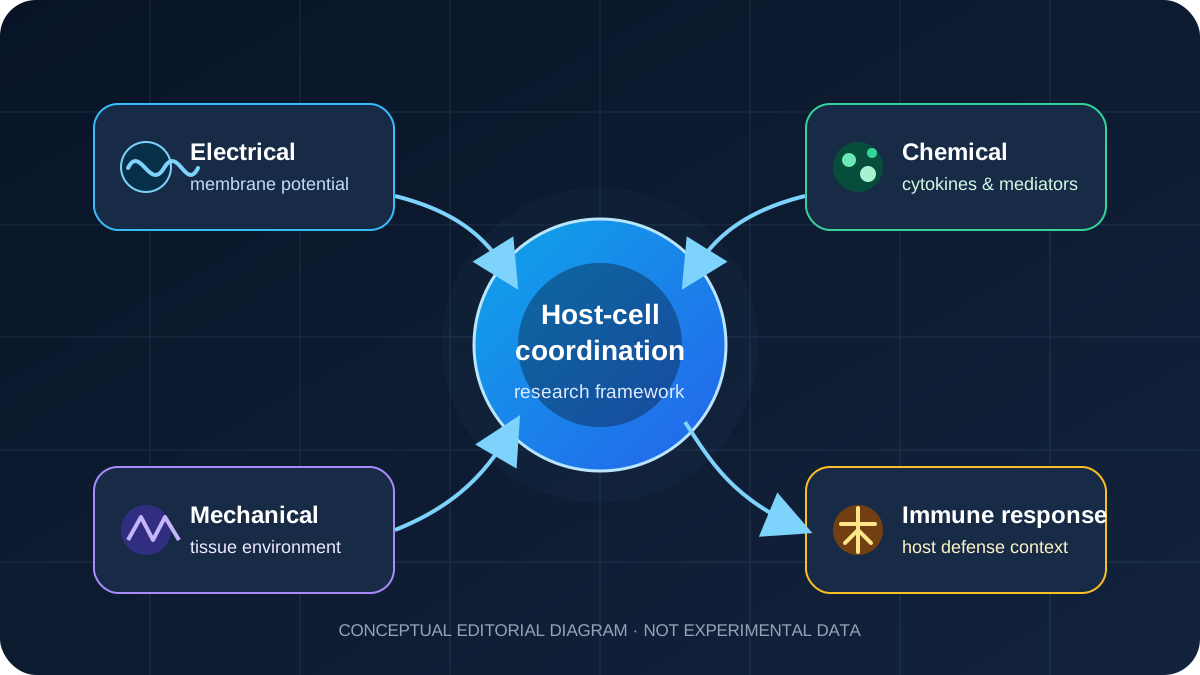
Reframing a problem is a useful exercise when the existing frame is producing diminishing returns. Infection is one of the places where reframing has potential. The chemistry frame, antibiotic identifies pathogen, kills pathogen, has produced enormous wins. It has also left a residue of chronic and persistent presentations where the pathogen is not the whole story. Reframing those presentations as signaling problems alongside chemistry problems opens a different set of research questions.
What signaling means here
By signaling we mean the entire network of how cells communicate with each other and with their environment. Electrical signals between cells. Chemical signals like cytokines and hormones. Mechanical signals from tissue architecture. In a chronic or post infectious state, the chemistry layer can be relatively quiet, and yet the patient is not well. Something in the signaling environment has remained off.
What is worth studying
The studies worth doing are the ones that combine bioelectric, chemical, and mechanical inputs in a structured way and look for the combinations that re normalize the signaling environment. The bioelectric piece is the most recently added input, and the one that most needs disciplined work to understand its contribution.
What this implies for the field
The implication for the field is that the bioelectric layer is going to keep showing up in adjacent disease areas, and the right posture is to accept that and to do the work carefully, rather than to either reject the framing or to overpromise on it. The history of medicine has examples of both mistakes, and neither has aged well.
The Electrome posture
The Electrome posture is to support the rigorous research, including the LymeCure collaboration with Tulane, while keeping the platform's clinical claims tightly scoped to the FDA cleared use of pulsed shortwave therapy. The research is research. The cleared therapy is the cleared therapy. The two should not be conflated, and we will not conflate them.
Reframing infection as a signaling problem alongside a chemistry problem opens a new set of research questions. None of them shortcut the rigor required to answer them.
More storiesKeep reading
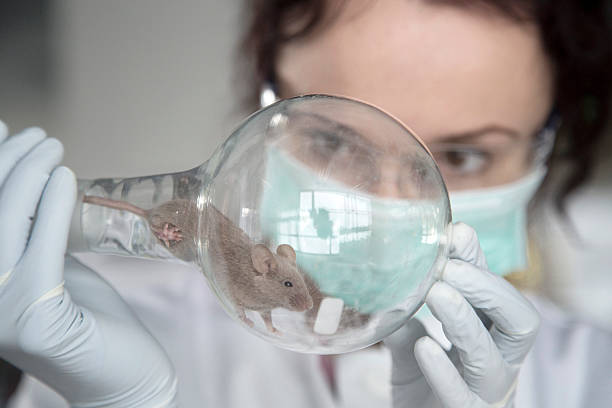
LymeCure Research Update: Moving Toward Mouse Model Evaluation
An honest progress note on the LymeCure research collaboration. The work is research stage. The signals are early. The plan is disciplined.
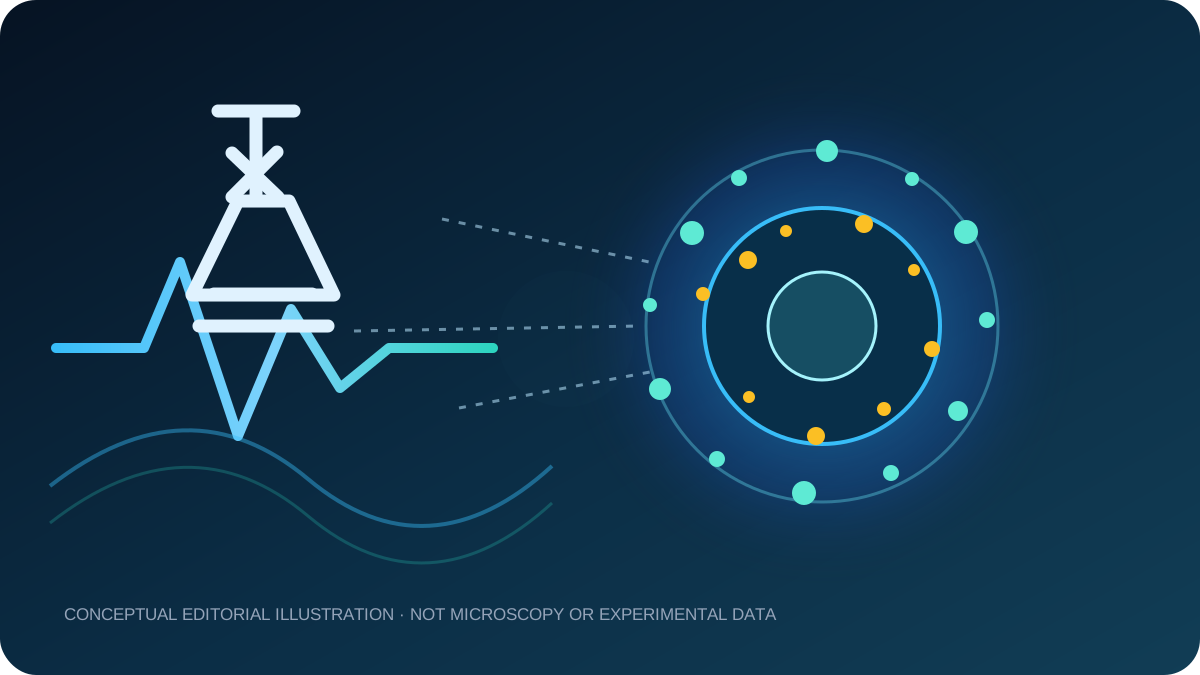
Exploring Bioelectric Signaling in Infection Research
A grounded overview of why bioelectric inputs are showing up in serious infection biology research, and what that implies for future clinical work.

Biology as a Signaling System
Treating biology as a network of signals, electrical, chemical, and mechanical, changes what counts as a therapeutic intervention.