Exploring Bioelectric Signaling in Infection Research
A grounded overview of why bioelectric inputs are showing up in serious infection biology research, and what that implies for future clinical work.
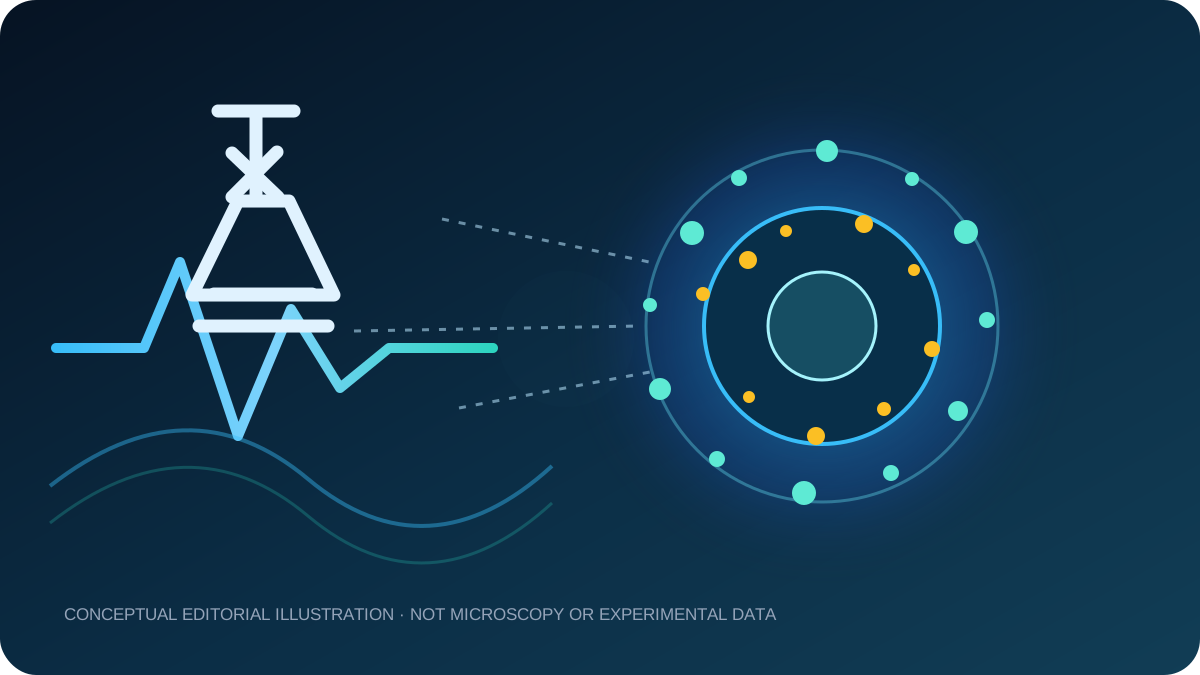
Infection biology has historically been a chemistry conversation. Antibiotics, antivirals, immune mediators, host defense molecules. That conversation is not going away, and nothing in the bioelectric literature suggests it should. What is happening alongside it is that infection researchers are starting to take seriously the question of whether the electrical layer of host cell biology, and possibly of pathogen biology, contributes to how an infection establishes, persists, or resolves.
What is being observed
The observations that have moved the field are modest and specific. Membrane potential changes correlate with the establishment of certain intracellular infections. Ion channel activity appears to influence the immune response to specific pathogens. Bioelectric signals between host cells appear to coordinate aspects of the inflammatory cascade. None of these are dramatic findings on their own. Together they suggest that the host pathogen interaction has an electrical dimension that has been underexplored.
Why this is plausible
The plausibility comes from the rest of bioelectric biology. If voltage is part of how cells coordinate development, healing, and immune function in general, it would be surprising if the same biology stopped at the door of infection. The simpler hypothesis is that infection biology is one more area where the electrical layer is part of the picture, and that we will learn more as the instrumentation continues to mature.
Where this could go
The cautious prediction is that bioelectric inputs will become an additional, not a replacement, lens for some infection conditions. Persistent infections where the inflammatory and signaling environment is part of the clinical problem are the natural starting points. Acute infections where antibiotics or antivirals already work well are not.
What this is not
This is not a claim that bioelectric therapy treats infections. There is no FDA cleared bioelectric infection therapy, and we are not implying one is around the corner. The piece is meant to give honest context for why credible research groups are working on the question, including the LymeCure collaboration that Electrome supports.
Citations
- 1.Feske S, et al.. Bioelectric signaling in immune function, a review. Nature Reviews Immunology (2015) Source
A grounded overview of why bioelectric inputs are showing up in serious infection biology research, and what that implies for future clinical work.
More storiesKeep reading
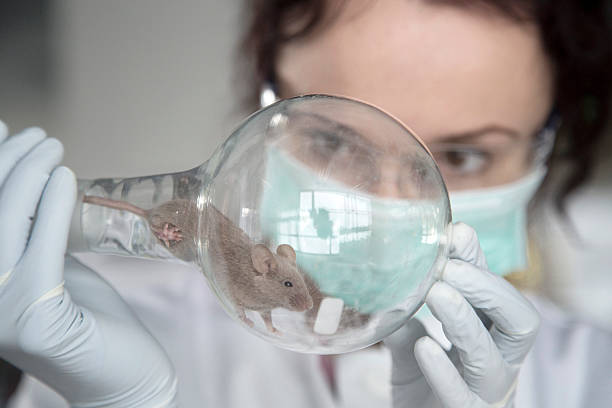
LymeCure Research Update: Moving Toward Mouse Model Evaluation
An honest progress note on the LymeCure research collaboration. The work is research stage. The signals are early. The plan is disciplined.
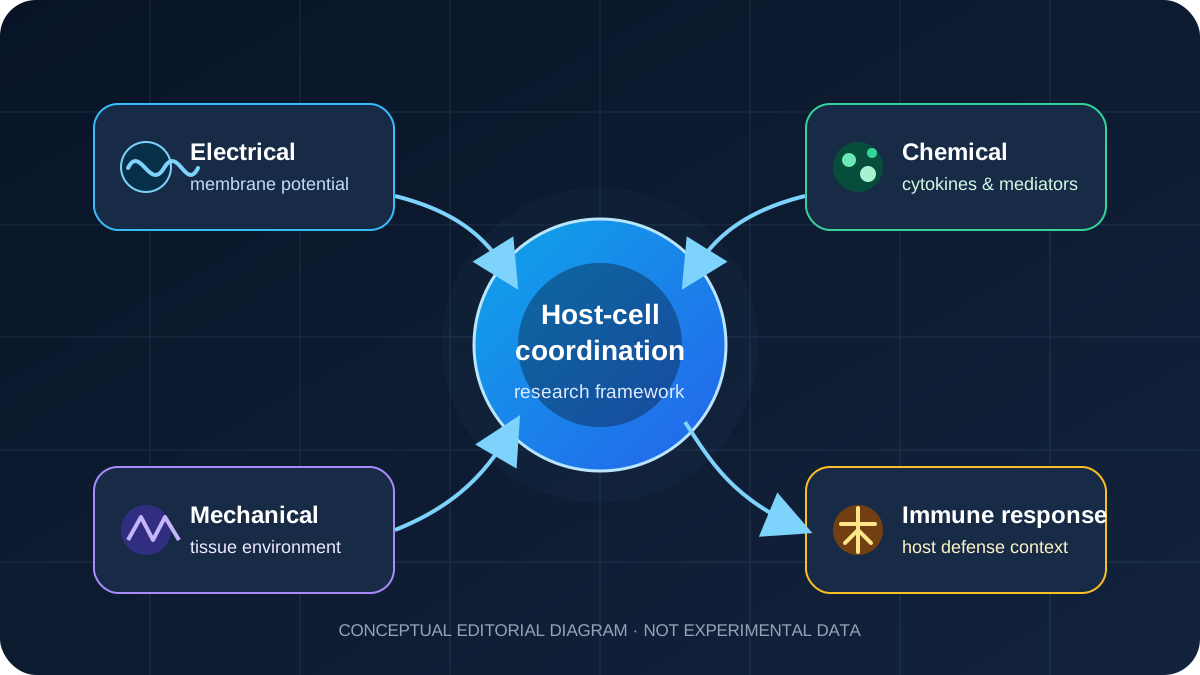
Why Infection May Also Be a Signaling Problem
Reframing infection as a signaling problem alongside a chemistry problem opens a new set of research questions. None of them shortcut the rigor required to answer them.
Biology as a Signaling System
Treating biology as a network of signals, electrical, chemical, and mechanical, changes what counts as a therapeutic intervention.