LymeCure Research Update: Moving Toward Mouse Model Evaluation
An honest progress note on the LymeCure research collaboration. The work is research stage. The signals are early. The plan is disciplined.
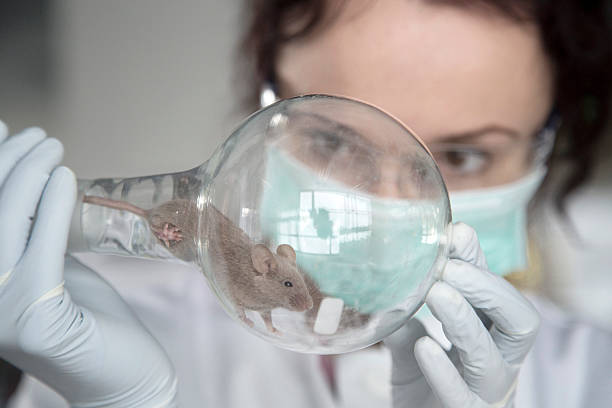
This is an honest progress note on the LymeCure research collaboration. The work is research stage. The signals from the early benchwork are promising enough to justify moving toward a structured mouse model evaluation. They are not promising enough to justify any clinical claim, and we will not make one. The discipline of the language matters because the underlying science is interesting enough to deserve careful description.
Where the work sits today
The collaboration is exploring whether targeted bioelectric and electromagnetic interventions interact with the inflammatory and bacterial dynamics that characterize Lyme disease and post treatment Lyme syndrome. Early in vitro observations have produced patterns that the team finds worth pursuing. The next phase is a structured mouse model evaluation designed to test whether those patterns hold in a more realistic biological context.
What we are testing
The mouse model phase is designed to evaluate whether specific bioelectric exposures, applied in defined patterns and durations, produce measurable changes in markers relevant to Lyme dynamics. The endpoints are biological, not clinical. The model is one of several tools that the field uses to decide whether a hypothesis is worth carrying further.
What we are not claiming
We are not claiming a treatment. We are not claiming a cure. We are not claiming that a clinical pathway is in front of us in any specific timeframe. The phrase that fits the work today is moving toward mouse model evaluation. That is a real step in a real research program. It is not a regulatory step, and it does not change what is currently available to patients.
Why this work matters anyway
Bioelectric thinking has produced useful insights in inflammation and neural signaling, both of which are relevant to how Lyme dynamics play out in the body. The hypothesis that an electrical layer of the host pathogen interaction is worth investigating is consistent with what is known about ion channel biology and immune signaling. That is what makes the research worth doing carefully, and it is what makes the early signals worth describing accurately rather than dressing up.
What partners and patients can do
For research partners, the right step is the same as in any rigorous program. Engage through the research office. Share data carefully. Co publish when the work warrants it. For patients living with chronic Lyme symptoms, the honest message is that the research is real and slow, and that no claim is being made about clinical access on any near term timeline. We will continue to share updates at the cadence the work justifies.
Citations
- 1.Levin M, et al.. Bioelectric signaling in host pathogen interaction, a review. Frontiers in Cellular and Infection Microbiology (2022) Source
An honest progress note on the LymeCure research collaboration. The work is research stage. The signals are early. The plan is disciplined.
More storiesKeep reading
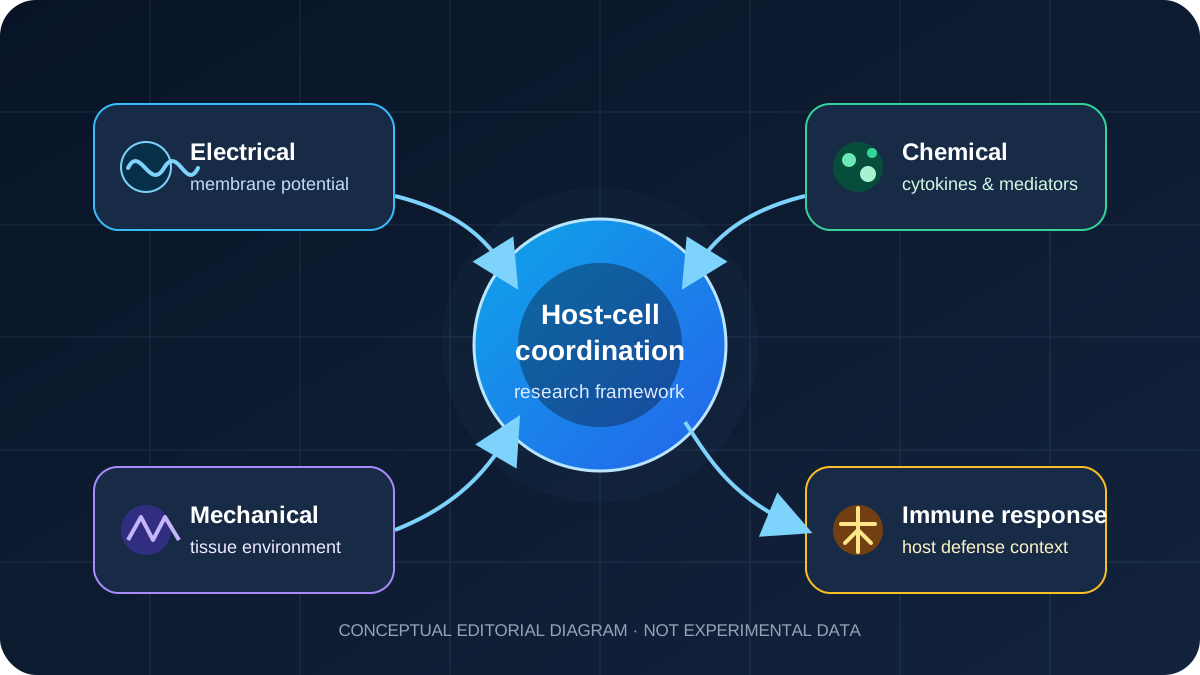
Why Infection May Also Be a Signaling Problem
Reframing infection as a signaling problem alongside a chemistry problem opens a new set of research questions. None of them shortcut the rigor required to answer them.
Exploring Bioelectric Signaling in Infection Research
A grounded overview of why bioelectric inputs are showing up in serious infection biology research, and what that implies for future clinical work.

Electrome Announces Expanded Research Partnership Program
Expanded research partnership program supports academic and clinical investigators in bioelectric science.