Why Electrophysiology May Become a Major Therapeutic Frontier
Electrophysiology is the discipline that taught us how the heart and the brain work. The next decade will test whether the same lens can guide therapy across a much wider range of conditions.
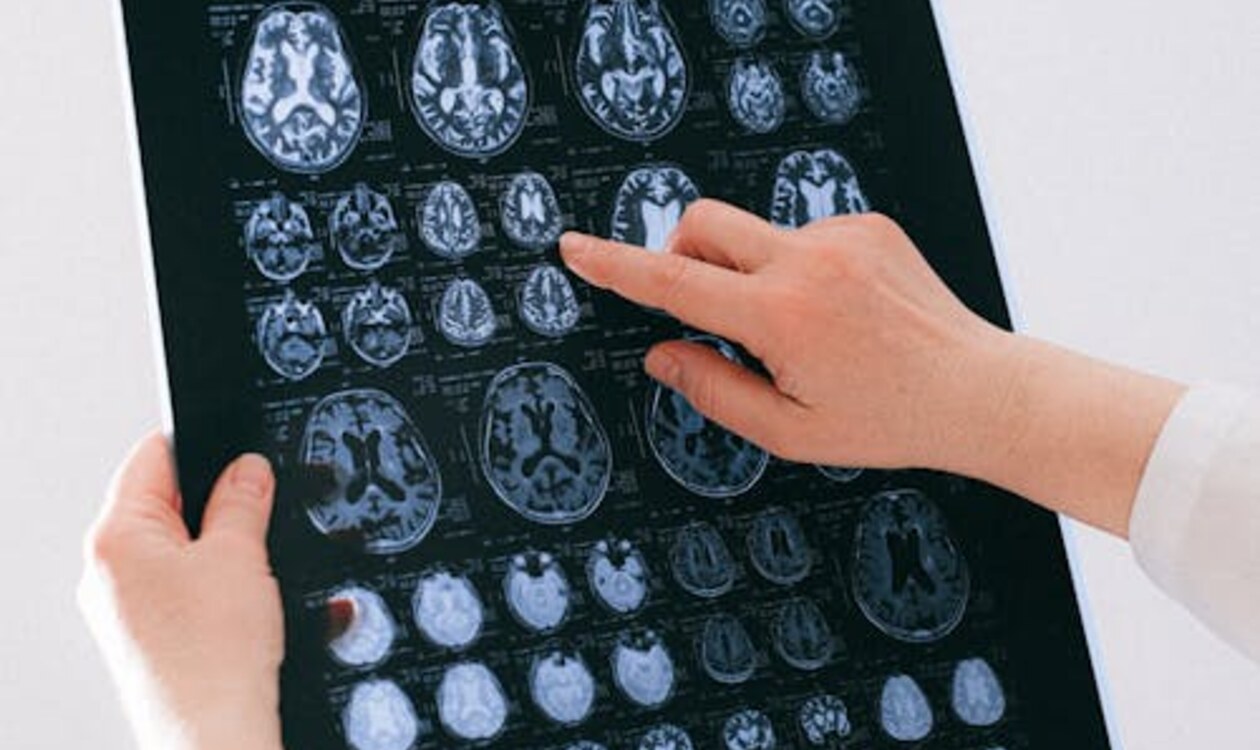
Electrophysiology, as a discipline, has produced two of the most consequential clinical fields in modern medicine. Cardiology learned to read the heart's electrical activity and built one of the most successful diagnostic and therapeutic enterprises in the history of medicine. Neurology learned to read the brain's electrical activity and laid the foundation for everything from seizure management to deep brain stimulation. The next decade is going to test whether the same lens, applied carefully, can guide therapy across a much wider range of conditions.
What the lens has already taught us
The discipline has taught the field a few durable lessons. Cells communicate electrically as well as chemically. The timing of electrical signals is often as important as their amplitude. External electrical or electromagnetic inputs, applied carefully, can shift cellular behavior in measurable ways. None of those lessons is novel. All of them have been hard won, and all of them are still incompletely applied outside the heart and the brain.
What the lens is being applied to next
The natural next surfaces are tissues where electrical signaling is known to matter and the existing therapeutic options are limited. Chronic musculoskeletal pain, where pulsed shortwave therapy is already FDA cleared and growing. Inflammatory conditions where ion channel modulation is mechanistically relevant. Wound healing, where bioelectric gradients are part of the established biology. Adjacent areas like sleep regulation and active aging where the underlying signaling is electrical but the therapeutic toolkit has been thin.
What it will take
What it will take is the same thing it always takes. Patient mechanism work. Clean clinical trials. Honest reporting of negative as well as positive findings. The discipline of saying what is cleared and what is research. The bioelectric category has more than enough to work with. What it does not need is overpromise, and the part of the field that overpromises tends to set everyone else back.
Why this matters now
This matters now because the instrumentation, the regulatory pathway, and the data infrastructure to do the work properly all exist. The next decade is going to be the decade in which electrophysiology stops being thought of as a heart and brain discipline and starts being thought of as a general lens on biology. The investigators and platforms doing the work carefully now are the ones who will define how that broader application looks.
Citations
- 1.Levin M. Bioelectric signaling in development and regeneration. Cell (2021) Source
Electrophysiology is the discipline that taught us how the heart and the brain work. The next decade will test whether the same lens can guide therapy across a much wider range of conditions.
More storiesKeep reading
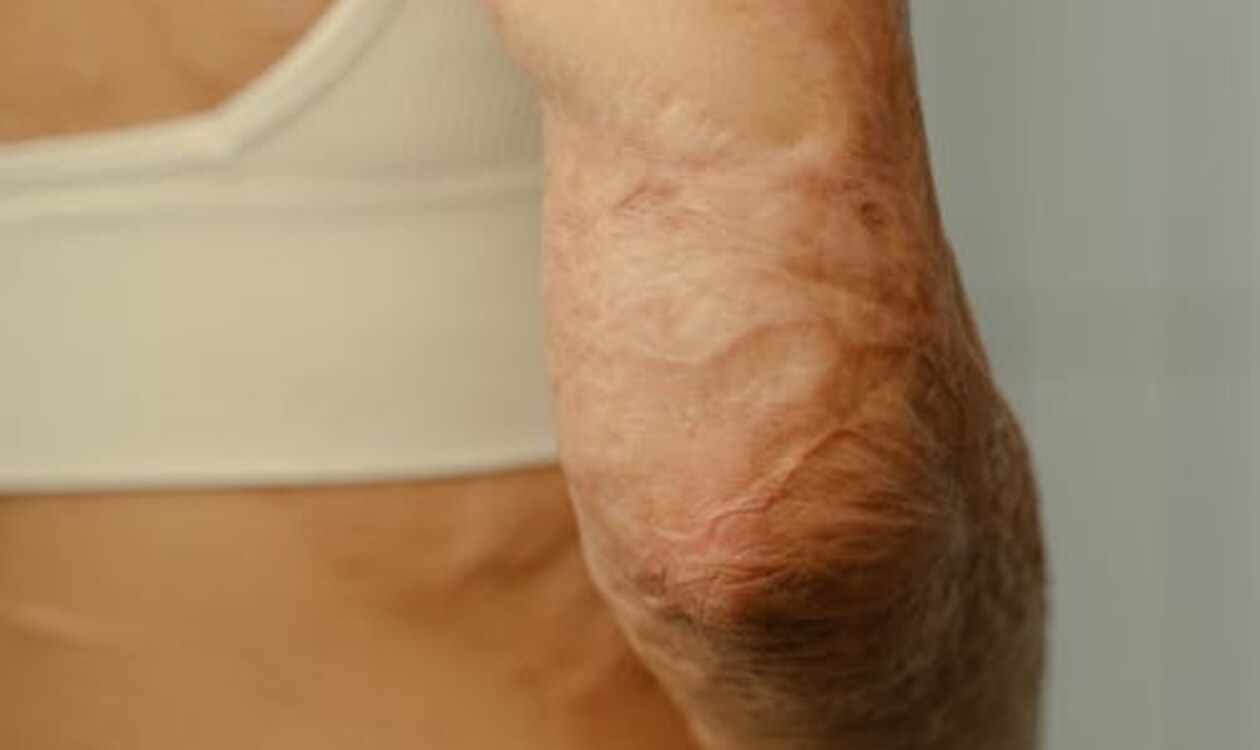
The Role of Electrophysiology in Healing
Tissue repair is, in part, an electrical process. Understanding the role of bioelectric gradients helps explain why bioelectric therapies support healing.
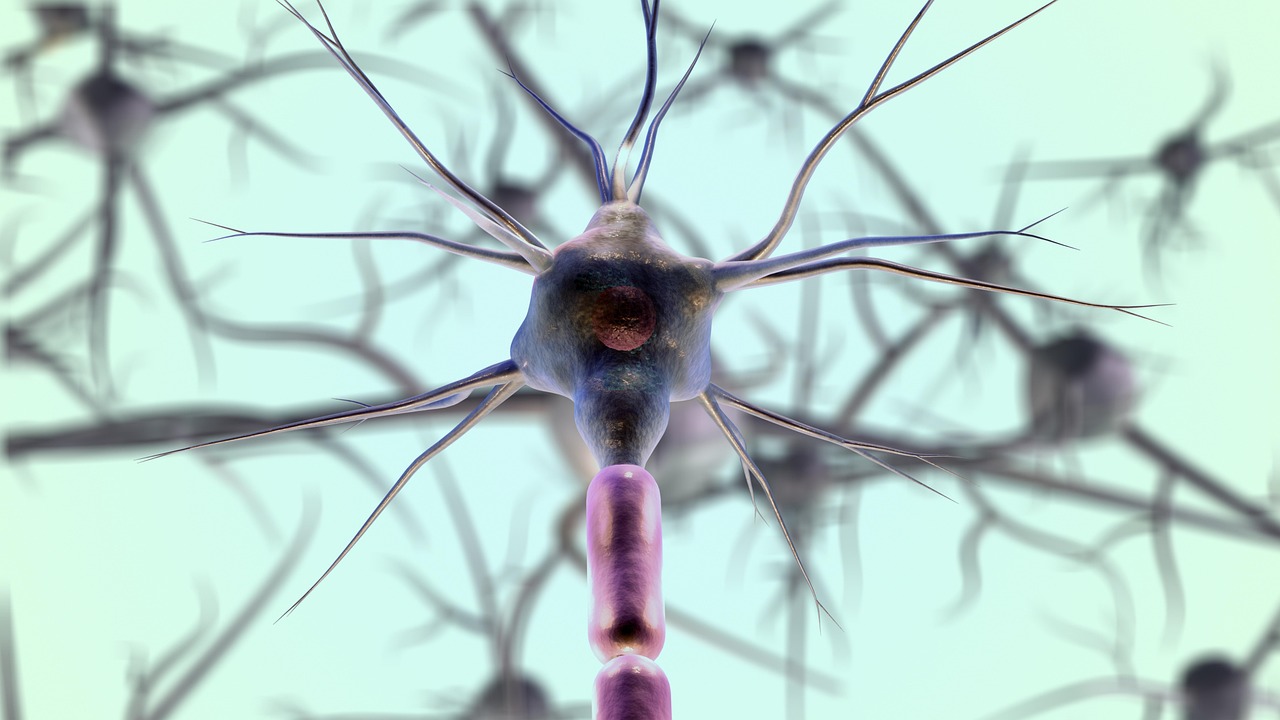
The Electrical Language of Biology
Every cell in the body runs on voltage. Modern medicine is finally learning to read what those signals say.

Biology as a Signaling System
Treating biology as a network of signals, electrical, chemical, and mechanical, changes what counts as a therapeutic intervention.