Understanding Inflammation and Pain Signaling
Pain is rarely just damage, it is signaling. Understanding how inflammation feeds the pain signal helps explain how bioelectric therapy fits in.
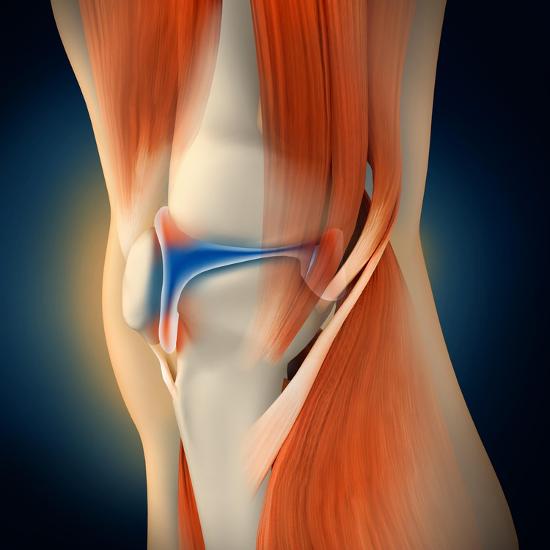
Pain feels like an injury report. In some cases it is. In many cases, especially for chronic pain, it is more accurately described as a signaling state. Inflammation is one of the strongest amplifiers of that signal, which is why managing inflammation is one of the leverage points in chronic pain care, and why bioelectric therapy, which can influence inflammatory signaling, is a useful tool in the toolkit.
How a pain signal happens
A pain signal starts at sensory nerve endings in tissue. The nerve fires when it detects a relevant stimulus. The signal travels up the nerve to the spinal cord, where it is gated, and from there to higher brain centers, where it is interpreted. Each step is influenced by the chemical and electrical environment around it, which is why pain is a system signal rather than a single event.
Where inflammation fits
Inflammation lowers the threshold at which sensory nerves fire. Inflamed tissue is, in a real sense, a louder reporter of stimuli. That is useful when the body is dealing with an acute injury and needs to protect the area. It becomes a problem when the inflammatory state persists past the injury and the pain reporting persists with it. Chronic inflammatory conditions and chronic pain conditions overlap meaningfully for this reason.
What modulates the system
Several inputs modulate the system. Pharmacologic anti inflammatories. Physical therapy that reduces mechanical aggravation. Behavioral interventions that influence central interpretation. Bioelectric inputs that influence the timing of cellular signaling and the inflammatory mediator release that follows. None of these is a complete answer. All of them have roles, and a real care plan often combines several.
Where bioelectric fits in this picture
Bioelectric therapy fits as one of the inputs that modulates the inflammatory and pain signaling environment. Pulsed shortwave therapy has a peer reviewed mechanism literature describing its influence on inflammatory mediator release and ion channel timing. The clinical evidence supports its use in musculoskeletal pain. The therapy is most useful as part of a plan that also addresses the other modulators, not as a stand alone fix.
The role of the immune system
The immune system is the orchestrator of inflammation. Resident immune cells in tissue release signaling molecules that recruit additional cells to the area. Those molecules also sensitize nearby sensory nerves and lower the threshold at which they fire. In acute injury, this is exactly the response the body wants. In chronic states, the same machinery can stay partially activated for months or years, keeping the pain reporting elevated long after the original injury has healed. Understanding the immune component is part of why modern chronic pain care addresses inflammation as a primary lever, not as an afterthought.
Why pain memory matters
The nervous system also has a memory. Repeated firing of pain signals can change the wiring of the spinal cord and the brain in ways that make the system more responsive to subsequent input. This is sometimes called central sensitization. It is one reason why an injury that should have resolved in weeks can produce pain that lasts for years. Effective chronic pain care often has to address the central component as well as the peripheral one. Bioelectric inputs that calm the peripheral signal contribute to that work by reducing the volume of input the central system has to integrate.
How a multimodal plan looks in practice
A practical multimodal chronic pain plan often looks like this. A non opioid pharmacologic anti inflammatory at a thoughtful dose. A physical therapy program that addresses mechanical aggravation and rebuilds load tolerance. A behavioral component that supports sleep, pacing, and central nervous system regulation. A bioelectric input, like an FDA cleared wearable PSWT device, that adds a non systemic lever on the inflammatory and pain signaling environment. None of these components is a complete answer on its own. Together, in the right combination for the right patient, they tend to produce the kind of steady improvement that chronic pain care is supposed to deliver.
What patients can do
Patients dealing with chronic pain can use this framing to ask better questions. Is the plan addressing more than one modulator. Is the inflammatory component being managed. Is there a non systemic option in the plan. Is there a way to track how the system is responding over time. A clinician familiar with modern multimodal pain care will recognize each of those questions as the right one to be asking, and the conversation that follows tends to produce a better plan than the older single intervention model. The Electrome platform supports that conversation by giving both the patient and the clinician a structured view of how the bioelectric component is contributing to the overall plan.
Where to learn more
Patients who want to read further can start with the cited review on neuroinflammation and chronic pain in Nature Reviews Drug Discovery, which lays out the mechanistic story in careful detail. Clinicians can review the broader specialty society guidance on multimodal chronic pain care and the systematic reviews of pulsed electromagnetic field therapy in inflammatory musculoskeletal conditions. The pattern across these sources is consistent. Inflammation is a primary lever in chronic pain. Multiple inputs modulate the system. Bioelectric therapy is one of the credible non systemic inputs available today. The patients who benefit most are the ones whose plans address several of the modulators at once, and the platforms that support that work are the ones that produce the longitudinal data the field will increasingly rely on.
Citations
- 1.Ji RR, et al.. Neuroinflammation and chronic pain, a review. Nature Reviews Drug Discovery (2014) Source
Pain is rarely just damage, it is signaling. Understanding how inflammation feeds the pain signal helps explain how bioelectric therapy fits in.
More storiesKeep reading
The Role of Electrophysiology in Healing
Tissue repair is, in part, an electrical process. Understanding the role of bioelectric gradients helps explain why bioelectric therapies support healing.

Biology as a Signaling System
Treating biology as a network of signals, electrical, chemical, and mechanical, changes what counts as a therapeutic intervention.

What Is Pulsed Electromagnetic Field Therapy?
A practical guide to PEMF and its more clinically focused sibling, pulsed shortwave therapy, written for patients and clinicians.