Researchers and Clinicians Explore Bioelectric Science with Us
How academic and clinical investigators engage with the Electrome research office, and what kinds of collaborations are most fruitful.

The Electrome research office exists because the bioelectric category is best served by an active and serious academic community, and because the platform is one of the few places where a longitudinal real world dataset on a non pharmacologic therapy can be made available to qualified investigators in a structured way. This piece describes how researchers and clinicians engage with the office, and what kinds of collaborations have been most fruitful so far.
The kinds of collaborations
The most active collaborations fall into a few categories. Mechanism studies that look at the cellular response to defined bioelectric exposures. Clinical observation studies that characterize the response of specific patient populations to FDA cleared pulsed shortwave therapy. Cross modal studies that combine bioelectric inputs with behavioral or pharmacologic interventions. Data only studies that use the platform's longitudinal dataset to investigate questions that would otherwise require a separate trial infrastructure.
What we look for in a collaboration
The collaborations that work tend to share a few characteristics. The investigator has a clear, methodologically sound question. The institution has the infrastructure to support the work. The relationship is governed by a written agreement that protects patient privacy, intellectual property, and publication rights. The expected output is a peer reviewable contribution, not a marketing artifact. We are happy to say no to collaborations that do not meet that bar, and we say no with the same care we apply to saying yes.
What we provide
What the platform provides depends on the collaboration. For mechanism work, access to the device and its parameter range, and where appropriate, scientific advisors familiar with the bioelectric literature. For clinical observation, structured access to platform data with appropriate consents and de identification. For cross modal work, the ability to coordinate with provider partners who can host the clinical arm. For data only studies, defined dataset access governed by the data sharing agreement.
What we ask for in return
What we ask for in return is also defined. The work is real research, with real methodology and real publication discipline. Findings are shared in venues the field reads, not buried in proprietary white papers. Negative findings are reported as faithfully as positive findings. The platform is acknowledged as a data source where the dataset is used, and the investigators retain authorship and intellectual ownership of the work.
How to engage
Engagement starts with a short note to the research office describing the question and the institutional setting. The office responds within a defined window. If the fit is right, a working session follows to scope the collaboration and define the agreement. The process is intentionally lightweight at the start, because the goal is to make serious research easy to begin, not to layer process on the front door.
How academic and clinical investigators engage with the Electrome research office, and what kinds of collaborations are most fruitful.
More storiesKeep reading
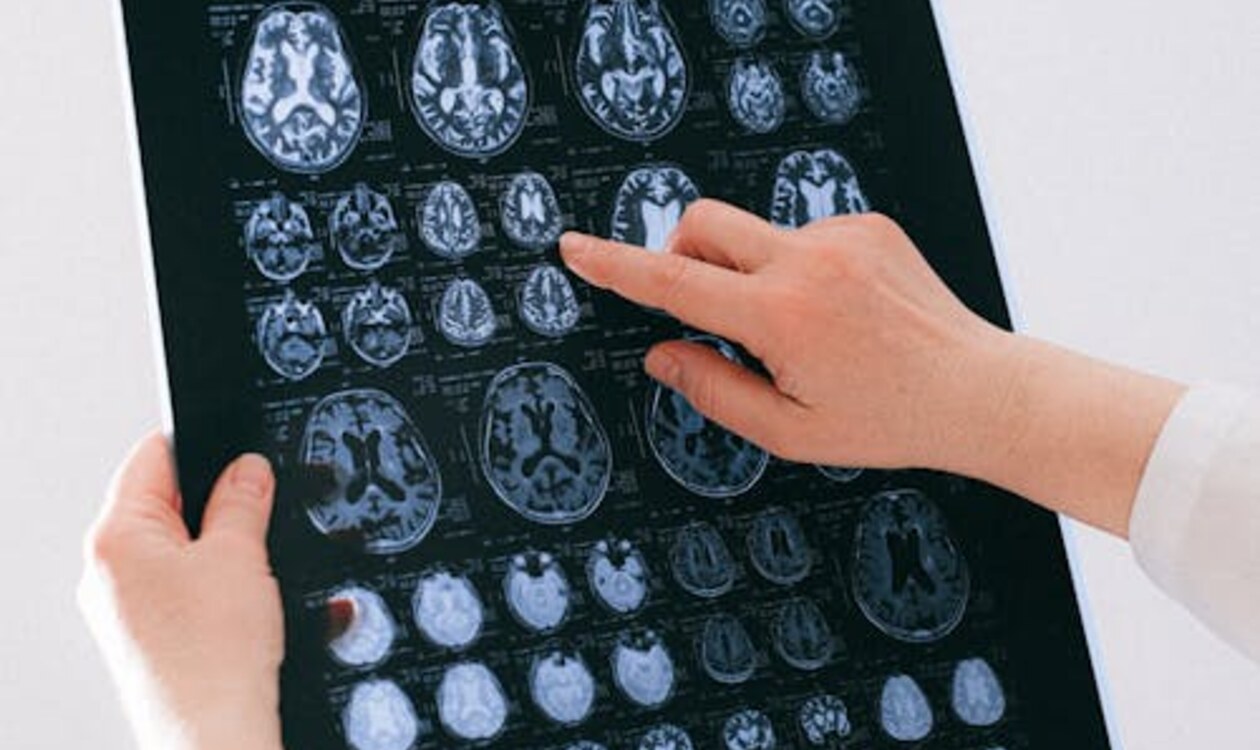
Why Electrophysiology May Become a Major Therapeutic Frontier
Electrophysiology is the discipline that taught us how the heart and the brain work. The next decade will test whether the same lens can guide therapy across a much wider range of conditions.
Applying for Bioelectric Research Grants Together
How academic investigators and the Electrome research office structure joint grant applications, and what kinds of grants the bioelectric category is most competitive for.
Electrome Announces Expanded Research Partnership Program
Expanded research partnership program supports academic and clinical investigators in bioelectric science.