The Home May Become the Most Important Healthcare Setting of the Next Decade
The future of recovery may depend less on where care begins and more on how continuously it can be supported afterward.
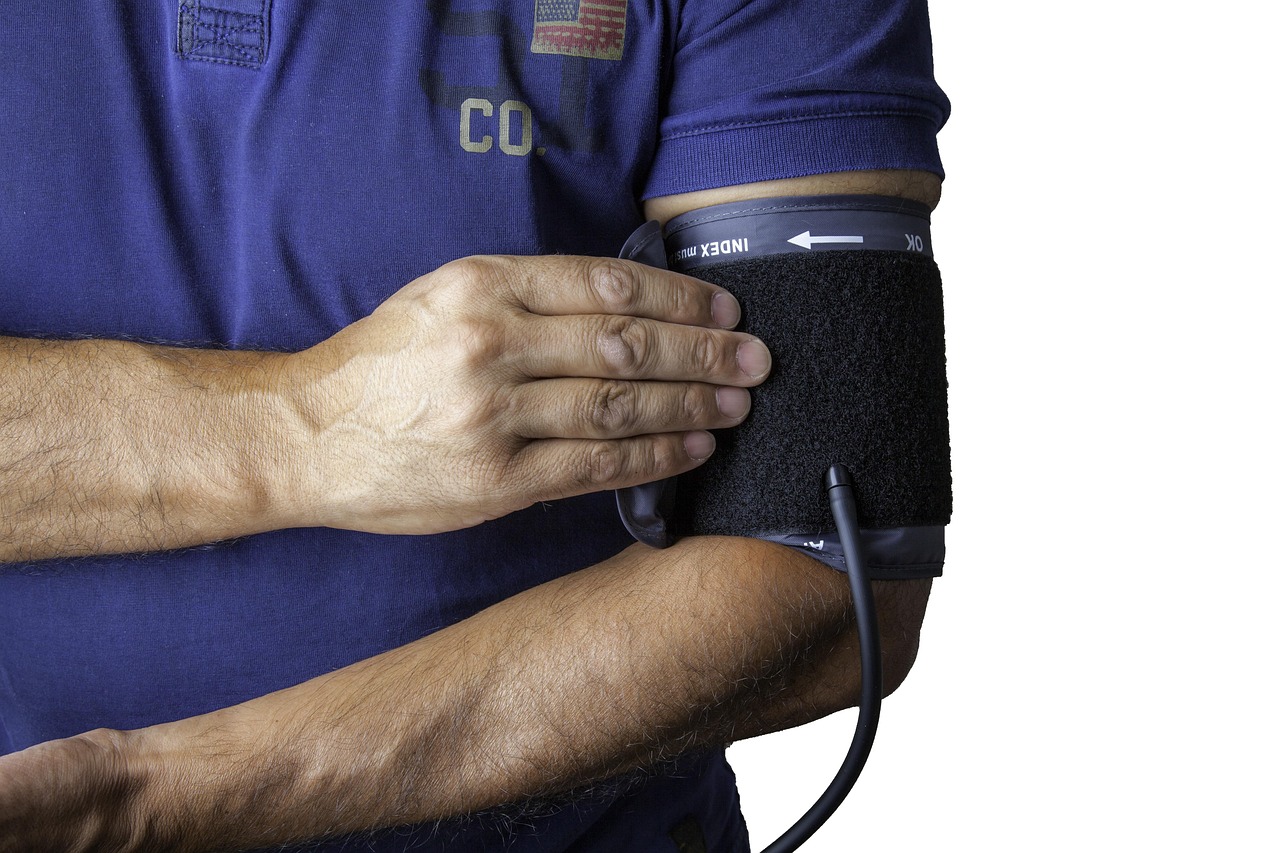
For most of modern medicine, healthcare revolved around buildings. Hospitals concentrated expertise. Clinics organized treatment. Recovery was structured around appointments, procedures, and short windows of interaction with the healthcare system. Once a patient left the building, much of what happened next became difficult to see. That model is beginning to change.
Quietly, healthcare is becoming more continuous, more distributed, and increasingly centered around what happens between visits rather than during them. Recovery is moving home. Monitoring is moving home. Engagement is moving home. Even rehabilitation, once tightly anchored to clinical environments, is steadily becoming more connected to everyday life.
The future of recovery may depend less on where care begins and more on how continuously it can be supported afterward.
A patient recovering from surgery may spend only a brief period inside a clinical facility, but weeks navigating inflammation, mobility limitations, disrupted sleep, and physical rehabilitation at home. A person living with chronic pain may interact with the healthcare system episodically while managing symptoms and recovery continuously in daily life. Historically, healthcare had limited infrastructure for those spaces between visits. That gap is where connected therapeutics, wearable technologies, remote engagement systems, and AI assisted workflows are beginning to matter.
Electrome's broader platform vision sits inside that larger transition. The company's initial commercial focus is practical and grounded, FDA cleared wearable bioelectric therapy technologies for pain and recovery applications. But the long term opportunity is larger than any individual device category. The company is building toward infrastructure capable of supporting ongoing engagement between patients, providers, therapeutic systems, and recovery workflows.
The future of recovery may depend less on where care begins and more on how continuously it can be supported afterward.
More storiesKeep reading

Why the Future of Healthcare May Be More Home-Centered
Healthcare is increasingly shifting from episodic intervention toward continuous engagement.

The Next Major Healthcare Platforms May Be Built Around Recovery
Healthcare historically optimized intervention. The next decade may focus on optimizing recovery.