Why the Future of Healthcare May Be More Home-Centered
Healthcare is increasingly shifting from episodic intervention toward continuous engagement.

For most of modern healthcare history, the center of care was the hospital. Patients traveled to clinics, specialists, imaging centers, surgical facilities, rehabilitation offices, and pharmacies. Most treatment decisions, monitoring, and recovery checkpoints happened inside formal healthcare environments. That model is beginning to change.
Even when treatment begins inside clinical settings, much of recovery happens elsewhere. A patient recovering from orthopedic surgery may spend only a short period inside a hospital, but weeks or months recovering at home. Historically, healthcare systems often had limited visibility into what happened during those periods between appointments.
Healthcare is increasingly shifting from episodic intervention toward continuous engagement.
Wearable devices and remote engagement systems are increasingly being integrated into broader healthcare workflows. The next phase of connected healthcare may increasingly include therapeutic technologies that participate directly in recovery and rehabilitation pathways. Electrome's PAINKILLER platform is positioned within this broader transition toward wearable, non-invasive, recovery oriented therapeutic infrastructure.
Home centered care is also deeply connected to larger healthcare economics. Healthcare systems continue searching for ways to reduce unnecessary utilization, improve recovery efficiency, support outpatient pathways, expand access, improve patient engagement, and lower long term costs.
Healthcare is increasingly shifting from episodic intervention toward continuous engagement.
More storiesKeep reading

The Future of Recovery May Be More Connected, Continuous, and Personalized
The future of healthcare may depend as much on recovery systems as treatment systems.
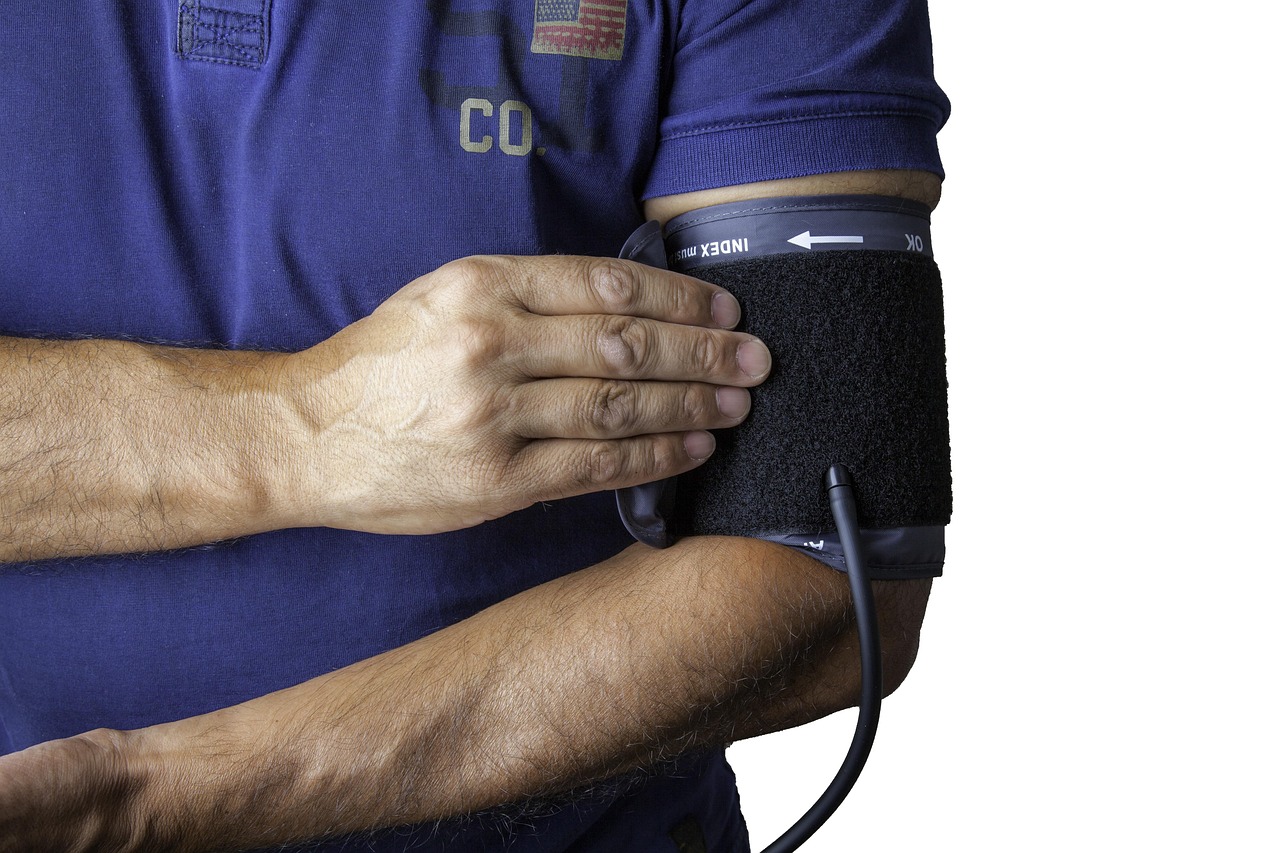
The Home May Become the Most Important Healthcare Setting of the Next Decade
The future of recovery may depend less on where care begins and more on how continuously it can be supported afterward.