The VA and the Search for Non-Opioid Pain Solutions
The Department of Veterans Affairs has spent a decade reorganizing pain care around non opioid options. The bioelectric category is one of the categories that work has prepared the ground for.
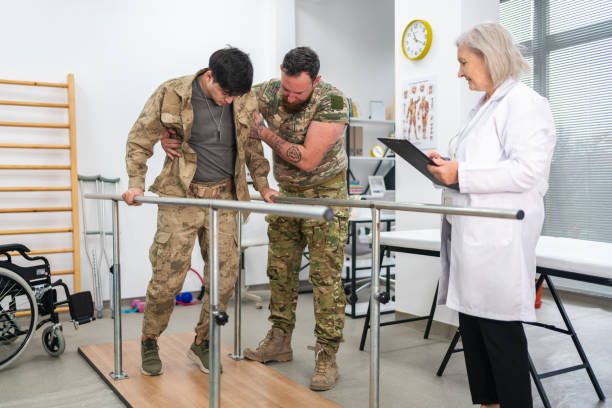
The Department of Veterans Affairs has been ahead of the rest of the system on non opioid pain care for the better part of a decade. The work has been deliberate. Stepped care models. Multidisciplinary pain programs. Whole health initiatives. None of it has been a single dramatic announcement. All of it has reorganized how the VA actually delivers pain care, and the cumulative effect is that the VA is one of the friendliest large procurement environments for credible bioelectric therapy in the country.
Why this matters for veterans
Veterans, on average, carry a pain burden the rest of the population does not. Service related musculoskeletal injury is common. The patient population is older than it once was. The system that serves these patients has had to find pain options that do not depend on long term opioid use, because the long term opioid story has not been kind to this population. Non opioid options are not an academic preference inside the VA. They are an operational requirement.
Where bioelectric therapy fits
Bioelectric therapy fits because it satisfies several of the constraints the VA has been working under at once. It is non pharmacologic. It is home usable. It produces the kind of adherence and outcomes data that the VA's quality measurement infrastructure is built to consume. It is FDA cleared, which makes the procurement conversation simpler than it would be for an investigational device. The category is not a perfect match for every veteran, no category is, but it is a credible match for the part of the population dealing with chronic musculoskeletal pain, which is a meaningful share.
What deployment looks like
A real deployment inside a VA program looks the way deployments inside any rigorous health system look. Patients are identified through the existing clinical workflow. The wearable is fitted and the protocol is set. Adherence and outcomes are tracked through the platform. Clinical review happens periodically through the workspace. The data closes the loop with the patient's broader VA care team. None of this requires the VA to rebuild a workflow. It requires a platform that fits cleanly into the workflow the VA already runs.
The role of the provider community
The provider community inside the VA tends to evaluate new categories carefully and then move quickly once a category clears the evaluation. That is the right posture for a system at this scale, and the bioelectric category is in the part of that evaluation cycle where credible options are being added to credible programs. The pace is steady, not dramatic, and the cumulative footprint matters more than any single announcement.
What this is not
This is not a story about the VA endorsing a particular product. The VA does not work that way, and serious vendors do not pretend it does. It is a story about the VA building the kind of pain care system inside which a credible bioelectric platform can be deployed at scale, and about the bioelectric category, including the Electrome platform, being mature enough to participate seriously in that work.
Citations
- 1.Department of Veterans Affairs. VA stepped care model for chronic pain management. VA.gov (2024) Source
The Department of Veterans Affairs has spent a decade reorganizing pain care around non opioid options. The bioelectric category is one of the categories that work has prepared the ground for.
More storiesKeep reading

Alternatives to Opioids for Chronic Pain
A practical guide to the credible non opioid options for chronic pain, including what each is best suited for.

Veteran Stories: Movement, Recovery, and Independence
What changes for a veteran when chronic pain stops being the loudest signal in the day.

Clinical Deployment Perspectives from the VA
Notes from the field on what it actually takes to deploy a bioelectric pain program inside a large veteran serving health system.