Biology Does Not Only Respond to Chemistry
The future of medicine may depend not only on understanding what biology is made of, but how biology communicates.
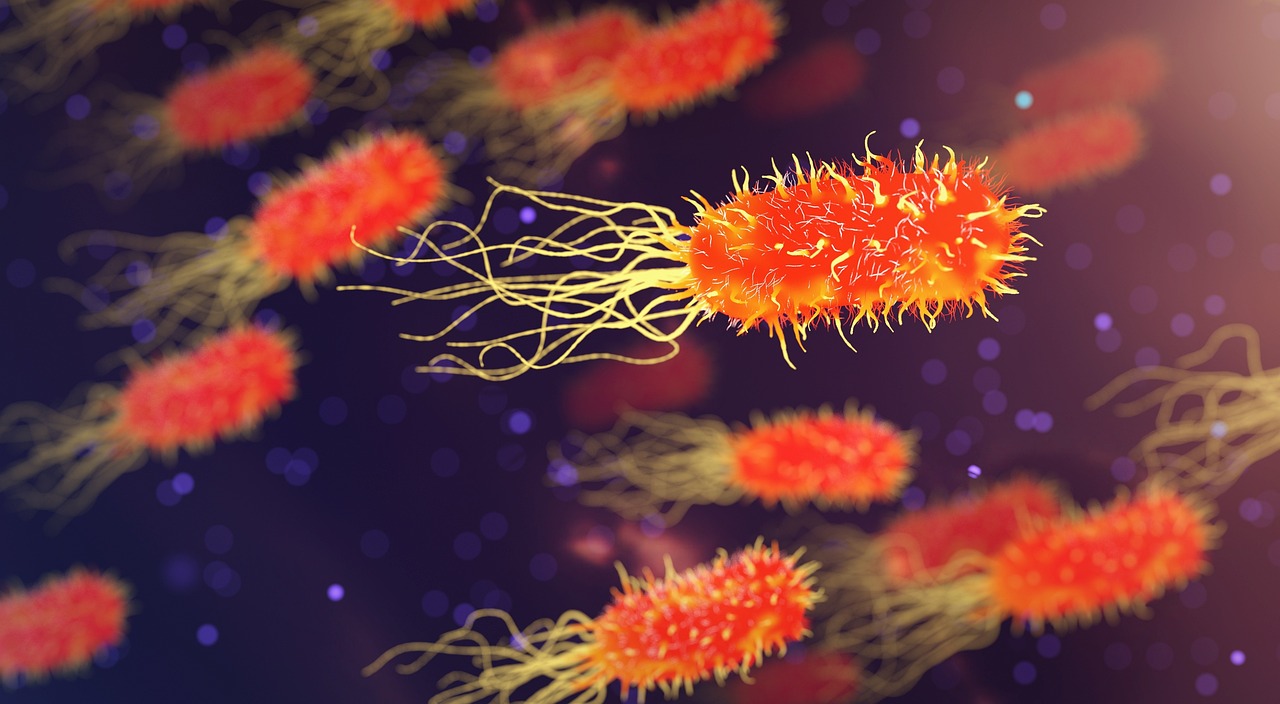
Modern medicine was built on chemistry. Antibiotics, anesthetics, biologics, antivirals, immunotherapies, and targeted drugs transformed healthcare by influencing molecular pathways with extraordinary precision. Few scientific revolutions have changed human life more dramatically. But chemistry is only one layer of biology.
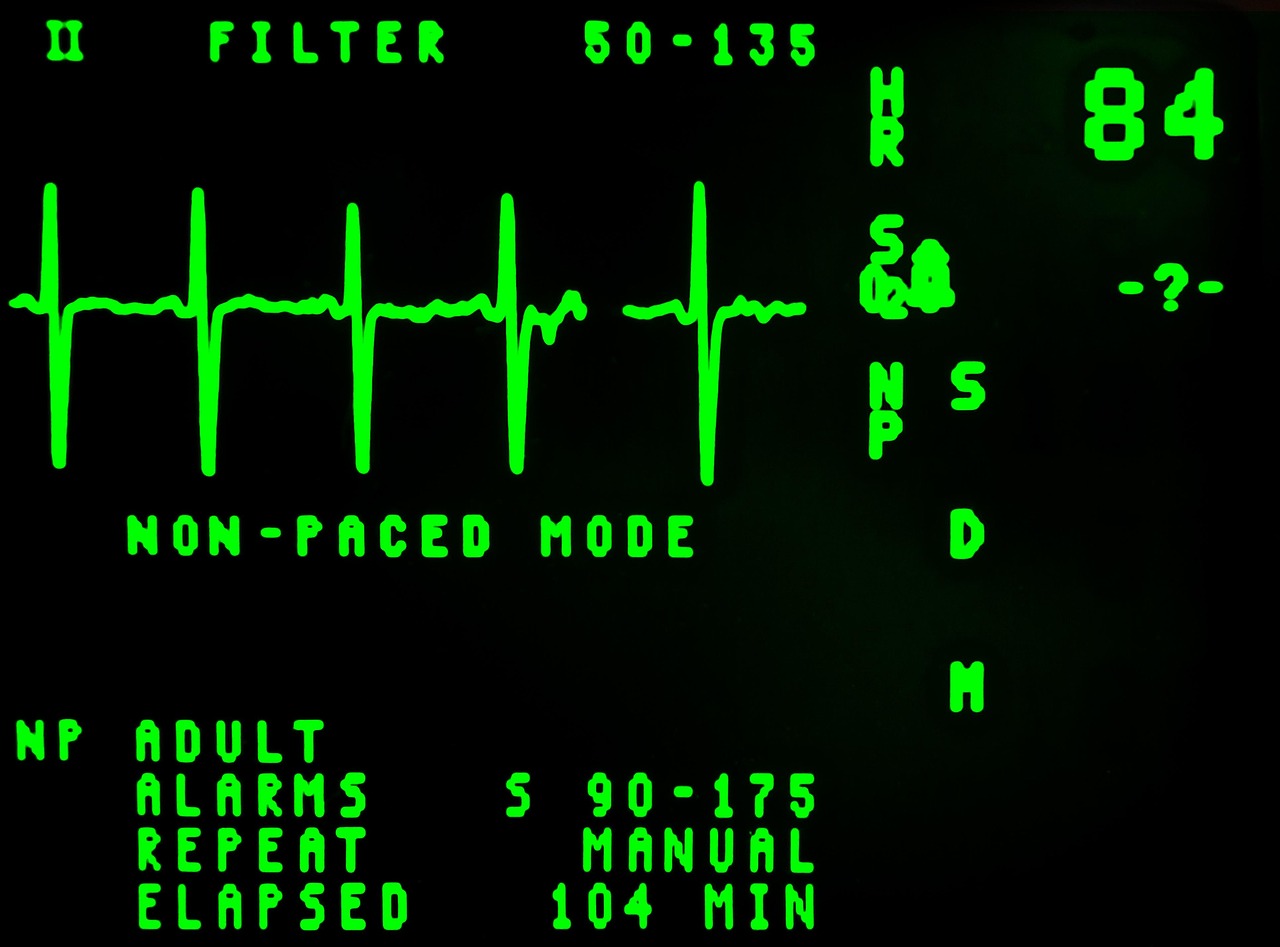
Every second, the human body is also coordinating itself through electrical activity. Nerves transmit signals electrically. Muscles contract through electrical activation. The heart maintains rhythm through electrophysiological coordination. Individual cells sustain membrane potentials and ion gradients that influence communication, signaling, and cellular behavior. These systems are not theoretical. They are fundamental to physiology itself.
The future of medicine may depend not only on understanding what biology is made of, but how biology communicates.
Across neuroscience, electrophysiology, regenerative medicine, and computational biology, researchers are increasingly revisiting questions that once sat at the edges of mainstream therapeutic development. How do signaling environments influence tissue behavior? What role does electrical coordination play in inflammation and healing? How might wearable electronics, AI modeling, and modern sensing systems expand our ability to observe or interact with these biological processes?
Electrome's broader platform strategy is built around participating in that emerging landscape. The company's initial commercial efforts remain practical and grounded in FDA cleared wearable bioelectric therapy systems for pain and recovery applications. But the long term vision is centered around infrastructure capable of supporting future programmable bioelectric medicine more broadly, including therapeutic orchestration, AI assisted signal intelligence, and scalable recovery systems.
The future of medicine may depend not only on understanding what biology is made of, but how biology communicates.
More storiesKeep reading
The Next Therapeutic Frontier May Be Signal-Based Biology
The future of medicine may increasingly involve understanding not only what biology is made of, but how biology communicates.
Why Electrophysiology Is Attracting New Attention Across Medicine
Every cell maintains electrical properties. The scientific question is not whether bioelectric signaling exists, but how much of biology it influences.