Why Pain Care Is Becoming a Conversation About Function, Not Just Symptoms
The future of pain care may be measured less by temporary symptom suppression and more by restored movement, resilience, and participation in life.

Pain is deeply personal, but healthcare systems have historically struggled to measure it in ways that fully reflect lived experience. For decades, pain discussions often revolved around scales, scores, and symptom reduction. Those measurements still matter, but many providers increasingly recognize that recovery is rarely captured by a number alone.
A patient may report less discomfort yet still struggle to move confidently, participate in rehabilitation, sleep comfortably, or return to normal routines. Another patient may still experience pain but regain enough mobility and function to return to work, exercise, or daily life in meaningful ways. That distinction is quietly reshaping how many clinicians think about recovery.
The future of pain care may be measured less by temporary symptom suppression and more by restored movement, resilience, and participation in life.
This shift is happening alongside broader changes across healthcare. Chronic pain remains one of the largest drivers of disability and healthcare utilization in the United States. At the same time, providers and health systems continue searching for approaches that support rehabilitation, long term recovery, and broader non-opioid care pathways where clinically appropriate.
Electrome's initial commercial focus reflects this broader transition. The company's FDA cleared bioelectric therapy platform is designed around wearable recovery oriented technology intended for pain and rehabilitation settings. But the larger vision is not limited to symptom management alone. Electrome is building toward a connected therapeutic infrastructure that combines recovery engagement, provider coordination, AI assisted workflows, and future signal intelligence systems.
The future of pain care may be measured less by temporary symptom suppression and more by restored movement, resilience, and participation in life.
More storiesKeep reading
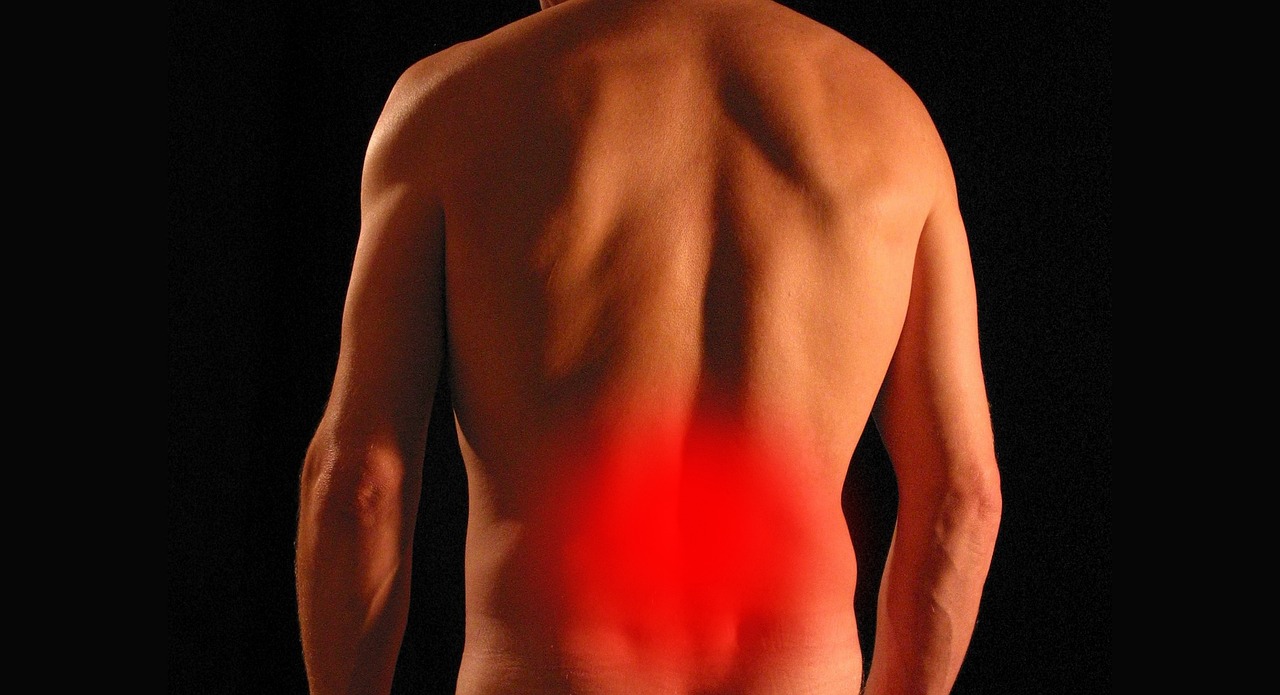
Chronic Pain Is Not Just a Symptom. It Is a Systems Problem.
Chronic pain reshapes daily life. Recovery requires a broader view than any single intervention.
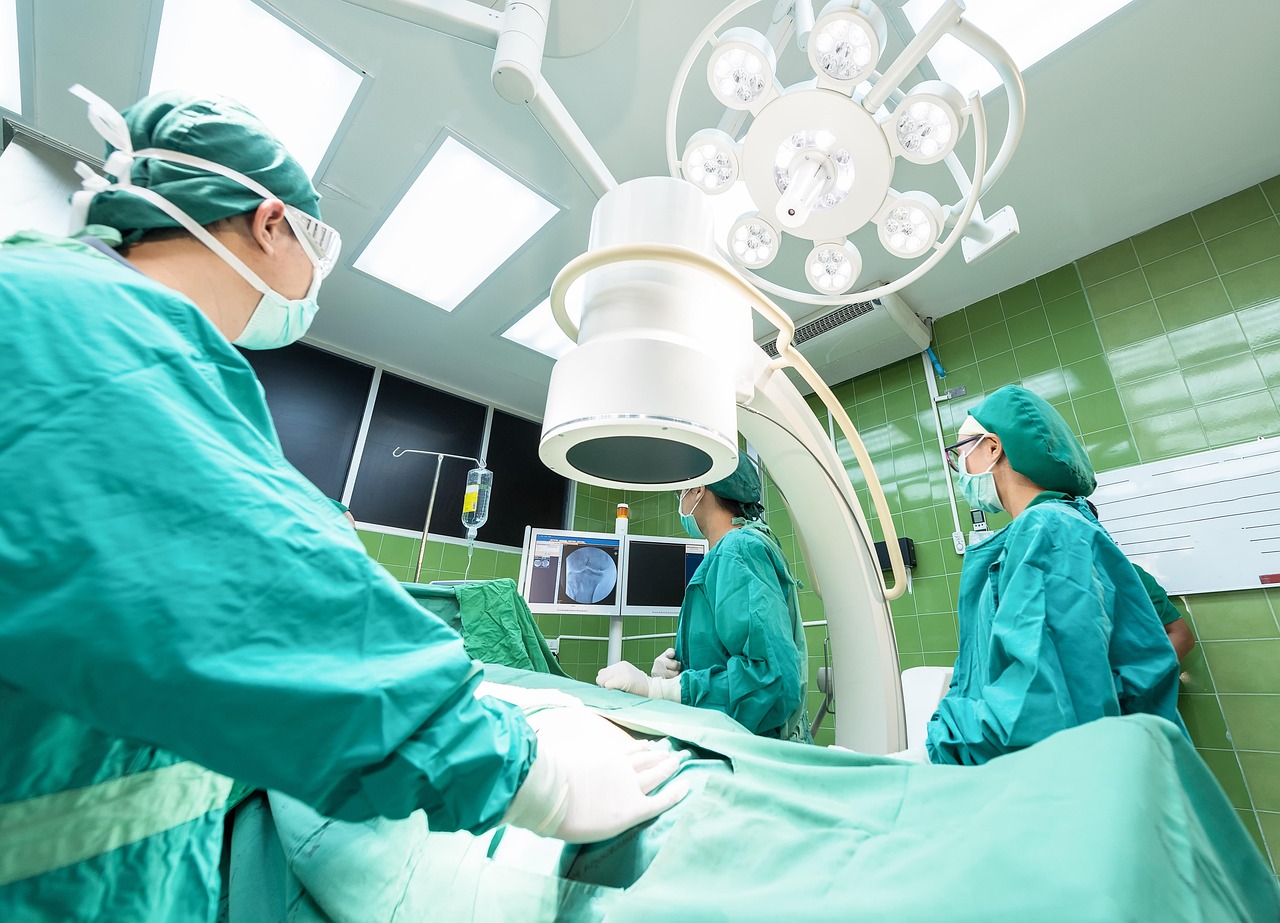
The Future of Pain Care Will Likely Be Multimodal
The future of pain care may not be defined by choosing between therapies, but by orchestrating them more intelligently.