Why Recovery May Become One of the Largest Categories in Healthcare
Healthcare is increasingly moving from reactive intervention toward continuous support.

Healthcare systems have historically been organized around moments of treatment. A diagnosis is made. A procedure is performed. A prescription is written. A patient is discharged. But increasingly, one of the most important parts of healthcare begins after those moments end. Recovery.
Recovery is no longer viewed simply as downtime between treatment and normal life. Increasingly, it is becoming a measurable, technology enabled phase of care.
Healthcare is increasingly moving from reactive intervention toward continuous support.
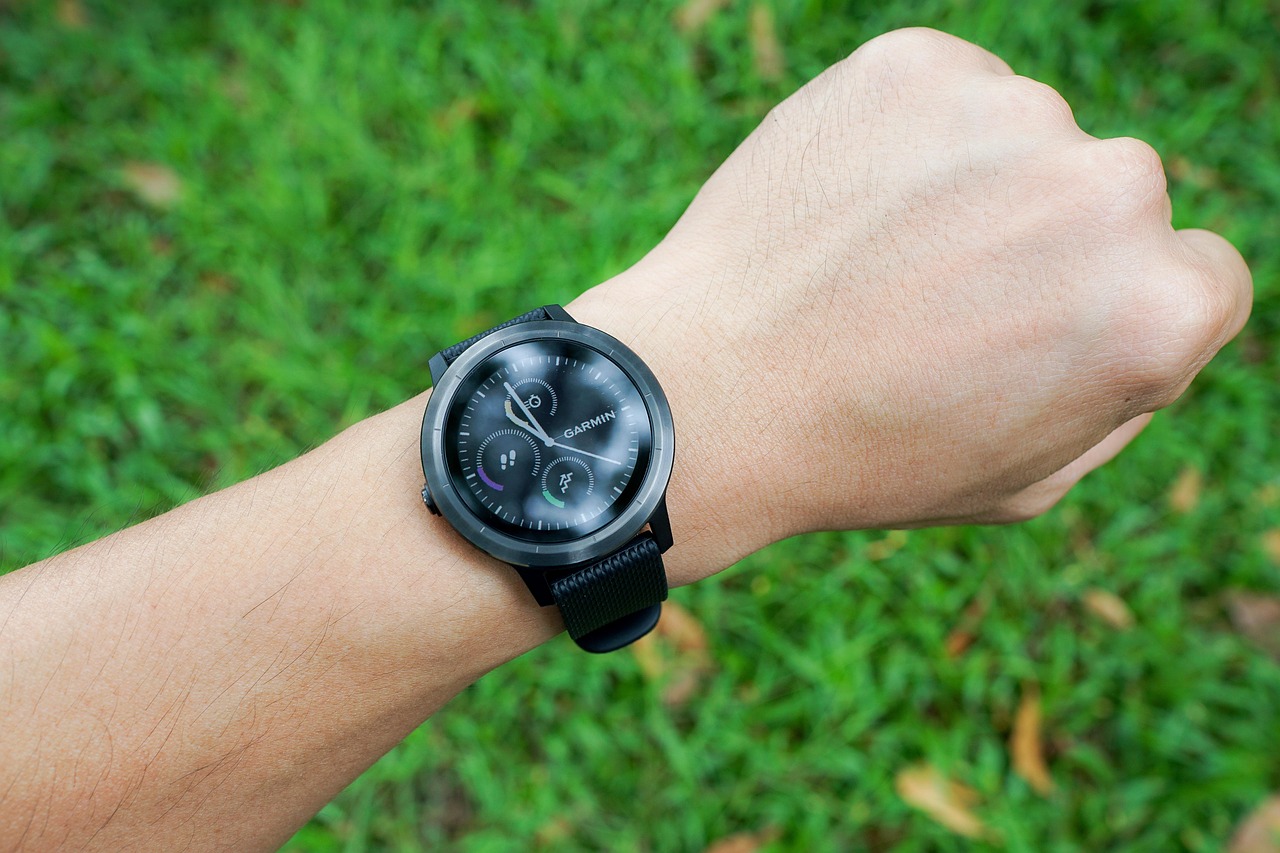
The rapid adoption of consumer wearables has already changed public expectations around health engagement. Millions of people now routinely track activity, heart rate, sleep, glucose, fitness recovery, and stress metrics. The next phase may involve therapeutic wearables that not only monitor health, but participate in broader recovery and rehabilitation pathways.
While pain management is the initial commercial focus for many wearable recovery technologies, recovery itself is much larger. The same infrastructure layers that support pain related workflows may eventually support rehabilitation, mobility optimization, post surgical recovery, inflammation management, recovery engagement, and longitudinal therapeutic intelligence. This is why Electrome consistently positions its long term strategy as platform oriented rather than product limited.
Healthcare is increasingly moving from reactive intervention toward continuous support.
More stories