Inside the VA's Search for Better Recovery and Pain Pathways
The future of recovery will likely extend far beyond the walls of hospitals and clinics.
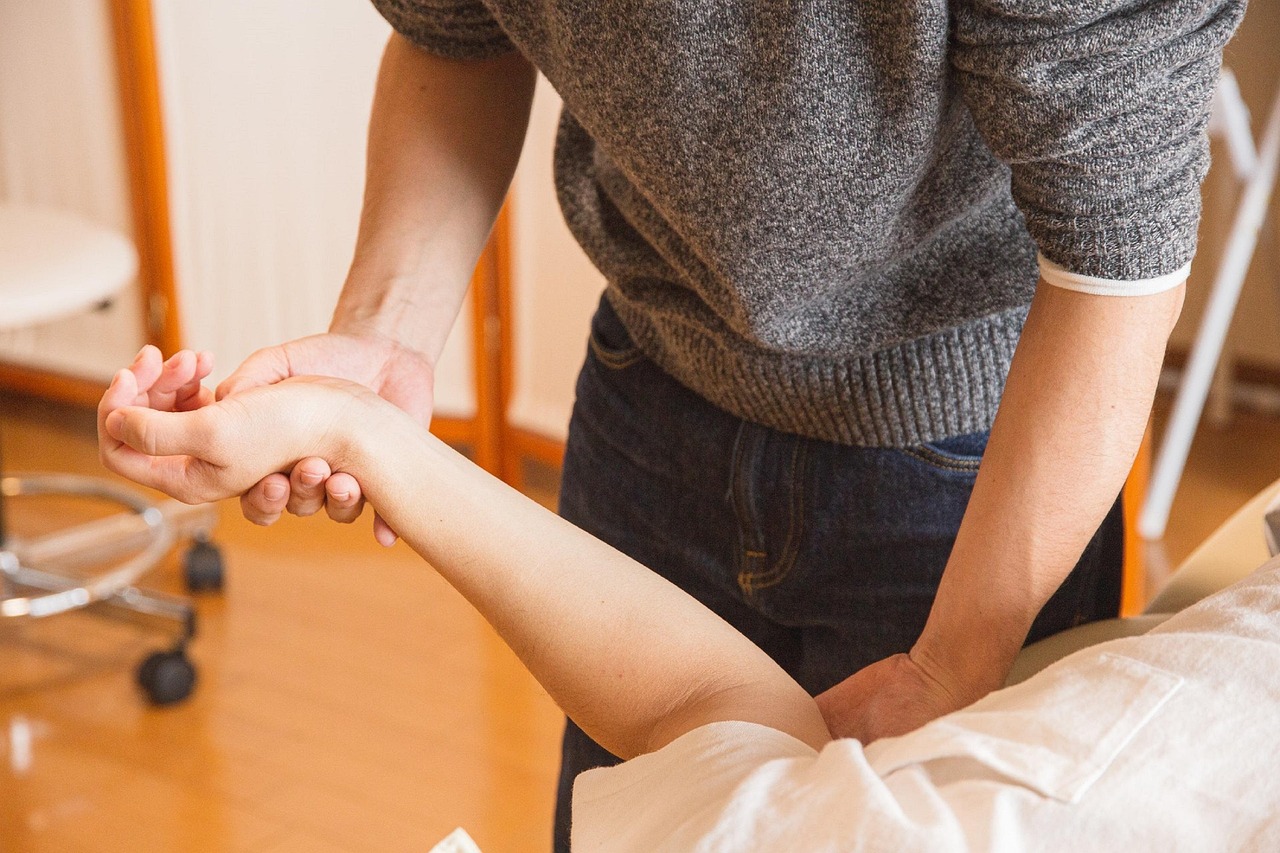
Pain management has long been one of the most complex challenges within veteran healthcare. Many veterans live with chronic musculoskeletal conditions shaped by years of physical strain, training injuries, surgeries, service related wear, and long term recovery needs. For clinicians working across rehabilitation, orthopedics, pain management, and post surgical care, the challenge is rarely simple.
The U.S. Department of Veterans Affairs has publicly emphasized whole health, multimodal pain management, rehabilitation, and nonpharmacologic treatment approaches across various care settings and initiatives.
The future of recovery will likely extend far beyond the walls of hospitals and clinics.
A patient recovering from surgery may care just as much about walking comfortably, sleeping through the night, participating in physical therapy, getting back to work, regaining independence, and improving mobility as about a pain score. For veterans especially, mobility and long term physical function often directly affect everyday independence and quality of life.
Electrome's initial commercial focus centers around FDA cleared wearable bioelectric therapy systems intended for pain and recovery applications. The broader vision is larger than a device itself, integrated recovery infrastructure that combines therapeutic technology, patient education, AI guided engagement, provider workflows, longitudinal outcome intelligence, and future signal discovery systems.
Citations
- 1.VA Whole Health and Pain Management Resources. U.S. Department of Veterans Affairs Source
The future of recovery will likely extend far beyond the walls of hospitals and clinics.
More storiesKeep reading
Why Providers Are Exploring New Approaches to Recovery and Pain Care
Modern pain care is increasingly about function, recovery, and continuity, not only symptom reduction.

James, A Veteran Reclaims His Mornings
After two decades of service related back pain, James found a routine that finally let him start his day pain free.